
Israeli Security, Tech Leaders Simulate Election Interference Scenarios
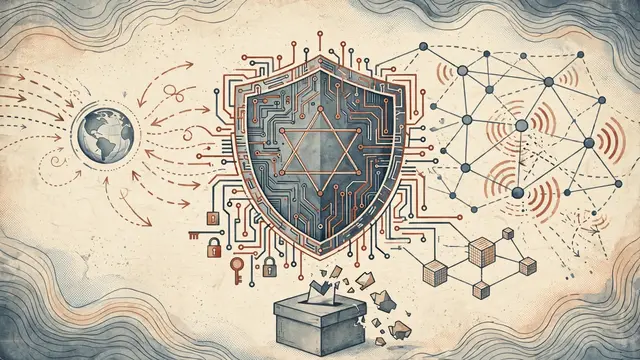
Dozens of senior figures from Israel's security, technology, legal, regulatory, media, academic, and civil society sectors recently participated in a simulation exercise to prepare for potential threats during upcoming Knesset elections. Organized by the Institute for National Security Studies (INSS) in collaboration with the Israel Internet Association and Tel Aviv University's Shomron Center, the event aimed to identify risks, practice decision-making, and explore response strategies for scenarios involving improper foreign and domestic influence, as well as the possibility of a party refusing to accept election results.
Former IDF Intelligence Chief, retired Major General Tamir Heyman, now head of INSS, described the election as a "decisive battle" vulnerable to influence from "enemies aware of the internal turmoil." The simulation included retired Supreme Court Justice Hanan Melzer, who previously served as Chairman of the Central Elections Committee, portraying the role, and former Deputy Attorney General Raz Nazri acting as the committee's legal advisor. Participants also included former senior officials from the Shin Bet, National Security Council, National Cyber Directorate, and State Attorney's Office.
The exercise identified three main threat areas. The first concerns the period before polls open, where digital realities create legal gray areas regarding leaked polls, gambling on election outcomes, and paid influencers promoting specific parties. The second threat focuses on election day, involving the creation of chaos through a mix of real news and fake news, such as incitement against Arab voters, false reports of security incidents generated by AI to suppress voting, and simulated overloads of emergency police lines. The third threat addresses the post-election period, including the dissemination of "evidence of vote rigging," foreign online accounts fueling chaos, and a party refusing to recognize results, with concerns that eroded trust could spill into street violence.
Discussions also covered the role of social media platforms, with a former executive from TikTok and Meta noting that platforms establish "war rooms for elections" but intervene based on their policies rather than solely local law. Experts highlighted the need for the Elections Committee to maintain continuous communication with these platforms and AI companies, especially those operating chatbots. Concerns were raised about the low readiness of legislative authorities to handle manipulation and misuse of digital platforms, and the potential for discussions about foreign influence to be weaponized to undermine election legitimacy.
Recommendations included the Elections Committee proactively engaging with social media and AI representatives, establishing a professional spokesperson unit for the committee, potentially led by a public figure like former IDF Spokesperson Daniel Hagari, and adopting a rapid response model similar to the Home Front Command's public information strategy. Suggestions were also made to limit voting time to 2-3 minutes to prevent simulated queues and to move the counting of "double envelopes" from the Knesset to a neutral location like Binyanei Ha'uma to prevent potential manipulation. The simulation concluded that maintaining election integrity in the digital age requires a broad approach beyond securing polling stations, focusing on managing public information, countering misinformation, and building trust in the process without creating a perception of insecurity.




Ask About This Article
Duki reads it, and every newsroom on the same story, then answers with sources.