
Israel's Finance Ministry Opposes ZIM Shipping Merger Deal
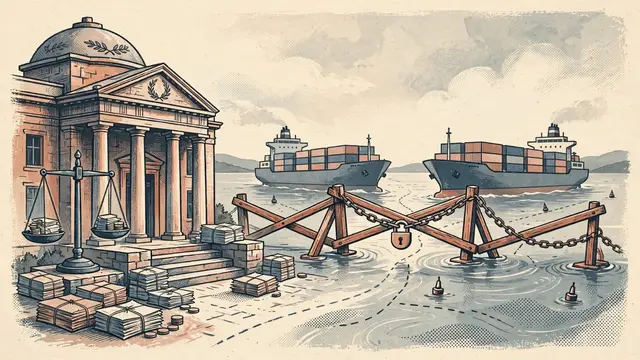
Israel's Ministry of Finance has declared its unequivocal opposition to the proposed merger of the Israeli shipping giant ZIM with Germany's Hapag-Lloyd, a deal that also involves the FIMI fund. The ministry warned that the current framework of the deal poses significant risks, including excessive dependence on the German company, potential involvement of Qatar and Saudi Arabia, and a possible threat to Israel's supply security. Following the announcement, ZIM's stock on the New York Stock Exchange dropped by up to 4%.
Under the proposed merger, ZIM would combine with Hapag-Lloyd to form a new Israeli entity named "ZIM Israel." While this new company would continue to operate shipping activities from Israel, it would heavily rely on Hapag-Lloyd's infrastructure and services. The Israeli government intended to safeguard its strategic interests through a "golden share" in the new company.
The Ministry of Finance outlined five primary concerns with the deal's current structure. These include a high degree of dependency on Hapag-Lloyd for crucial services like containers and slots, potential conflicts of interest as ZIM Israel would compete with yet depend on Hapag-Lloyd, and the risk of influence from hostile entities due to Qatar and Saudi Arabia's stakes in Hapag-Lloyd. Furthermore, the ministry fears the transfer of risk to the state, which might be compelled to assist the company in case of failure, and a potential compromise to supply security, as ZIM Israel would not operate independent routes to the Far East, a major source of Israel's container imports.
Additionally, the Finance Ministry expressed doubts about the new company's financial stability, citing optimistic forecasts for shipping rates and cargo volumes in its business plan. They cautioned that if market prices remain at current levels, ZIM Israel could face substantial losses within a few years. The ministry clarified that its opposition is to the current merger plan and that a revised framework could be considered, provided it significantly reduces foreign dependency, ensures maritime supply continuity, and presents a stable long-term financial model.
The same event, reported separately by each outlet. Open a few to compare what different newsrooms emphasize — and what they leave out.

















Not the same event — other stories that share this one’s people, places, or theme: background, reactions, and follow-ups.

Ask About This Article
Duki reads it, and every newsroom on the same story, then answers with sources.
How the headlines differ
News Plus
One Event. Different Headlines.
See the words each newsroom chose, with the original headline beside the translation.