
Saudi Arabia Hails Proposed F-35 Deal as Sign of Strong US Partnership
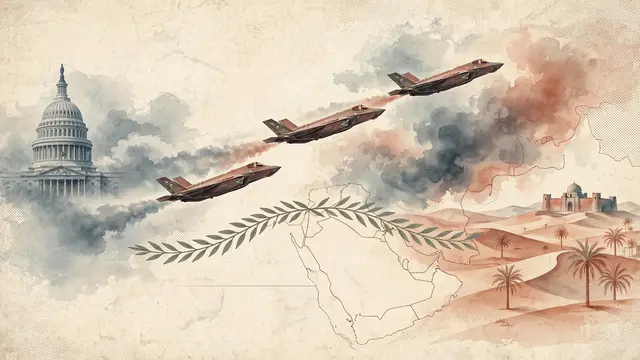
The Saudi Embassy in Washington stated on Friday that the proposed sale of F-35 fighter jets to Riyadh signifies the "strength and sustainability" of the strategic Saudi-American partnership and highlights ongoing advancements in defense cooperation between the two nations. This statement follows the US State Department's approval of a potential $24.3 billion military deal, which includes 48 F-35 aircraft and 49 engines, and its notification to Congress.
The embassy elaborated on the social media platform X, formerly Twitter, that the F-35 deal "reflects the strength of the Saudi-American strategic partnership and its enduring nature, and the continuous progress in our defense cooperation." It added that "for decades, Saudi-American security cooperation has contributed to regional stability and enhanced our collective capabilities."
The proposed package encompasses not only the 48 F-35 jets but also 49 F135 engines, including a spare, along with secure communication equipment, navigation and encryption systems, spare parts, training and simulation programs, and technical and logistical support. The US State Department indicated that the sale would bolster Saudi Arabia's ability to "deter current and future threats," support its territorial defense, and improve interoperability with American, regional, and NATO forces. The department also assessed that the deal "will not alter the military balance in the region."
Should the transaction be finalized, Saudi Arabia would become the first Arab nation to acquire F-35 fighter jets. Currently, Israel is the sole operator of this aircraft model in the Middle East. The potential sale was first announced by then-US President Donald Trump in November 2025, following a request submitted by Saudi Arabia earlier that year. The F-35s are manufactured by American company Lockheed Martin, while Pratt & Whitney produces their engines.
The same event, reported separately by each outlet. Open a few to compare what different newsrooms emphasize — and what they leave out.




Not the same event — other stories that share this one’s people, places, or theme: background, reactions, and follow-ups.
