
US Approves Massive F-35 Sale to Saudi Arabia Amid Regional Tensions
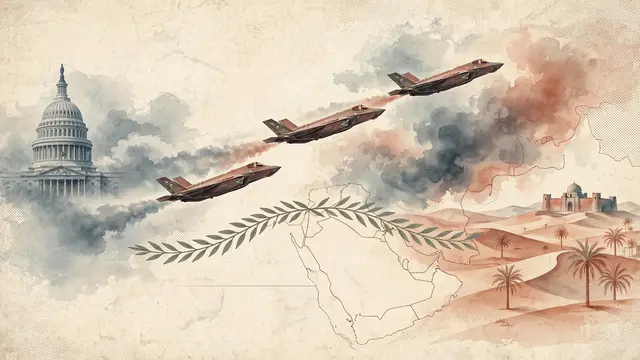
The U.S. State Department announced Thursday its decision to approve a major arms deal with Saudi Arabia, which includes the sale of 48 F-35 Lightning II fighter jets and associated equipment, valued at approximately $24.3 billion. This significant transaction requires approval from the U.S. Congress to proceed.
The State Department stated that the proposed sale would bolster U.S. national security and foreign policy objectives by strengthening a key non-NATO ally that promotes stability and economic progress in the Persian Gulf region. The deal aims to enhance Saudi Arabia's ability to deter current and future threats, improve its homeland defense, and increase interoperability with U.S. and regional forces.
According to the department, the acquisition will expand Saudi Arabia's operational aircraft fleet and improve its self-defense capabilities in air-to-air and air-to-ground combat. The F-35, a stealth fighter jet manufactured by Lockheed Martin, is designed for high-threat environments and has been utilized in joint operations involving Israel and the U.S. against Iran, as well as for intercepting missile and drone attacks.
The announcement comes amidst heightened regional tensions. Earlier this week, Iran reportedly shot down at least two U.S. unmanned aerial vehicles, with Iranian state media claiming one drone was downed near Qeshm Island in the Strait of Hormuz. Additionally, the UN General Assembly approved a remote speech by Palestinian Authority President Mahmoud Abbas after the U.S. blocked his physical attendance in New York, despite objections from Israel, the U.S., and Paraguay.
The British Maritime Trade Operations reported an attack on a vessel in the southern Strait of Hormuz near Oman. The U.S. State Department also confirmed that an Iranian delegation would be permitted to attend the UN General Assembly in New York, albeit with movement restrictions and prohibitions on purchasing luxury goods.
The same event, reported separately by each outlet. Open a few to compare what different newsrooms emphasize — and what they leave out.



Not the same event — other stories that share this one’s people, places, or theme: background, reactions, and follow-ups.

