
New Haredi Party Challenges Old Guard, Demands Modernization
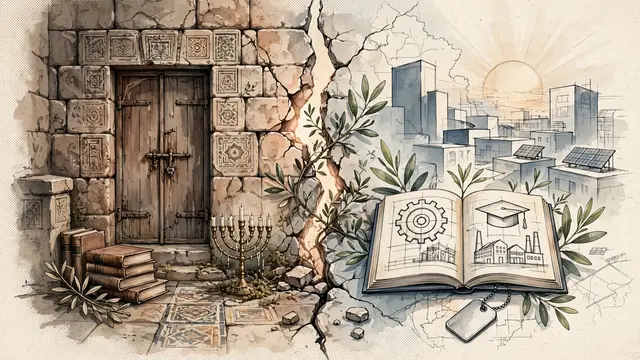
A new political party, "The Haredi Public," has announced a challenge to the established leadership of the Haredi (ultra-Orthodox) community in Israel, advocating for a significant ideological shift. The party criticizes the current Haredi parties, Shas and United Torah Judaism, for failing to address pressing issues such as poverty, housing shortages, and infrastructure collapse in Haredi cities. Instead, the party claims, these parties focus on what it calls a "victimhood campaign" and incite against law-abiding citizens to mask their failures.
The "Haredi Public" party asserts that hundreds of thousands of Haredi citizens, particularly working Haredim and new immigrants, feel abandoned by the current representation in the Knesset. They argue that the existing parties are too aligned with extremist factions and engage in narrow politicking, while the public struggles with poverty and a lack of employment opportunities.
A key plank of the new party's platform is its stance on military conscription. It proposes that individuals not genuinely engaged in Torah study should be required to serve in the military or national service. The party also supports the establishment of a Haredi military brigade within the IDF, advocates for integrating Haredim into academia and the workforce, and calls for the inclusion of core curriculum studies in Haredi educational institutions. Notably, the party has included two women in its top four list positions.
While the party's electoral success remains uncertain, its leaders believe a significant shift in sentiment is occurring within the Haredi public. They feel the community deserves leadership that is grateful to the State of Israel and actively works towards improving their welfare, education, livelihoods, and living conditions. The declaration of this "rebellion" against the old leadership is seen as a significant and irreversible development.
The same event, reported separately by each outlet. Open a few to compare what different newsrooms emphasize — and what they leave out.





Not the same event — other stories that share this one’s people, places, or theme: background, reactions, and follow-ups.



