
Why World Cup Matches Can Trigger More Heart Attacks
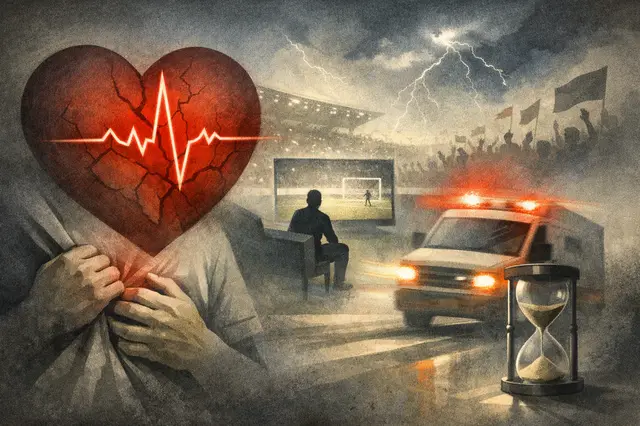
Cardiologist Prof. Kobi Shaham explains which warning signs of a heart attack should prompt immediate emergency care. The article says that during the World Cup, hospitals often see more patients with chest pain, arrhythmias, and sometimes heart attacks, especially among people with existing risk factors. Prof. Ariel Rogin, district cardiologist for Maccabi North and head of the heart unit at Hillel Yaffe Medical Center, says intense matches push the body into a stress response, raising blood pressure and pulse and flooding the system with adrenaline. In healthy people this is usually temporary, but in those with atherosclerosis or known heart disease, it can trigger an acute cardiac event.
Research has repeatedly backed up that link. A major study published in the New England Journal of Medicine after the 2006 World Cup in Germany found that in the Munich area, acute cardiovascular events more than doubled whenever Germany played, especially among men, people with known heart disease, and in matches decided late or by penalty shootouts. Once Germany was eliminated, the numbers quickly returned to normal, suggesting the stress of watching the team, not the tournament itself, was the trigger.
Similar findings appeared elsewhere. A study of England’s 1998 World Cup round-of-16 loss to Argentina found about a 25% rise in heart attack admissions in the day after the match and the two days following it. In the Netherlands, researchers found excess cardiovascular deaths among men after the national team’s exit from Euro 1996. In Brazil, a study covering nearly 156,000 hospitalizations found more heart attacks during World Cup periods, especially on days when Brazil played.
Rogin says he has personally treated many patients who suffered heart attacks while watching football, including some who came directly from Sammy Ofer Stadium after severe chest pain. He notes that such cases were especially common when the local team was struggling and fans were more frustrated. He adds that severe stress can also cause arrhythmias, angina, and Takotsubo, or “broken heart syndrome.”
The highest-risk groups are people with heart disease, high blood pressure, diabetes, smoking, high cholesterol, or obesity. Alcohol, smoking, heavy meals, and emotional strain can add to the danger. Rogin says persistent chest pressure, often described as “an elephant sitting on the chest,” sometimes spreading to the left arm, jaw, or back, requires immediate help. In men it may also come with nausea or heartburn, while women may have shortness of breath, back pain, dizziness, severe weakness, or nausea. He says not to wait for the match to end, but to call Magen David Adom or go urgently for treatment.

