
Broken Heart Syndrome, When the World Cup Becomes a National Trauma
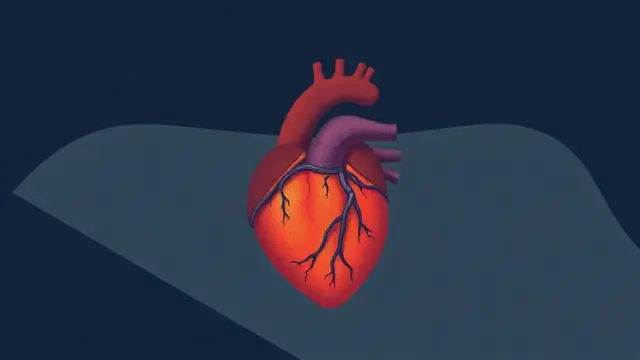
Watch the report by Idan Kuvaler, Walla Sport’s correspondent to the World Cup / Walla editorial team The 7-1 defeat of Brazil to Germany in the semifinals of the 2014 World Cup is considered, according to scientific measures, one of the most traumatic moments experienced by the Brazilian people. The unprecedented emotional shock caused by the sudden and devastating collapse of the home team left a deep scar on millions of fans. Several studies published in medical journals documented the mental state of Brazilians after the match. A study from Oxford University, for example, showed a dramatic rise in cortisol levels in their blood, and there was also considerable evidence that people suffered heart problems in the months after the humiliating loss. Many suffered from Takotsubo cardiomyopathy, also known as “broken heart syndrome.” According to Dr. Einat Shaked, director of the cardiomyopathy clinic in the cardiology department at Assuta Hospital in Ashdod, “This is a medical condition in which high levels of stress cause a sudden and temporary weakening of the heart muscle.” The symptoms are very similar to a heart attack, and usually include severe chest pain and shortness of breath. By contrast, studies in Israel have shown a sharp rise in cases of the syndrome after the events of October 7. How is it possible for football to affect an entire people in a cardiac sense, like an unprecedented national trauma? The answer lies in the thing that connects millions of individuals into one nation, nationalism. Enter the guessing game, take part in the quiz and אולי you will win a זוגי package for the World Cup quarterfinals A deep scar in millions / Reuters Professor Yuval Noah Harari sees nationalism as a powerful unifying force based on “shared imagination,” which allows people to cooperate on an historical scale. In his book A Brief History of Humankind, Harari explains that nations do not exist in nature, they are a “shared imagined reality,” or a common story that human beings invented to create social order. This imagined reality becomes a central part of our lives. In fact, it is what made the existence of modern states possible, and those states contributed to the unprecedented growth of the human species. Unlike ancient tribes, where everyone knew one another, nationalism created a mechanism that makes millions of complete strangers feel belonging and solidarity, and thus maintain an economy, public institutions, and functioning states. Thanks to nationalism, we are connected to millions of people we do not even know, and because of it our hearts break when something terrible happens to those strangers, whether it is a terror attack or a World Cup defeat. Just like war, the national team standing on the grand stage before the whole world is one of the only things that connects an entire people to a common goal. Therefore, when the team fails or succeeds, it has a real health effect on fans. As an aside, in Germany too there were reports of an increase in heart events as the national team advanced in the 2014 tournament. Dr. Shaked explains that broken heart syndrome occurs, among other things, when adrenaline is released into the bloodstream in high quantities. This is exactly the hormone that floods us during matches of our favorite team, and all the more so when it comes to the national team. “This hormone affects the heart itself and the cells, and as a result damage is created,” she notes. “The study we conducted at Assuta showed a 100% increase in cases of the syndrome after the October events. Adrenaline activates our fight-or-flight mechanism during stressful events, which can cause symptoms such as arrhythmias, heart failure and even a heart attack.” More on Walla Want to enjoy fast internet and a cheap TV package? It’s possible! In cooperation with Walla Fiber An athletic heart is not always enough. Ronaldo / Reuters And how does this stress affect the players themselves? “Adrenaline can affect them too, but it is important to remember that these are very healthy people,” Shaked continues. “Most of them have an ‘athletic heart’, a condition in which the heart muscle physiologically adapts to intensive endurance and strength training. The phenomenon is characterized by an enlarged heart, thickened walls and a slow, efficient pulse at rest. This is a normal change, although sometimes it must be distinguished from cardiac disease. However, that does not mean the pressure does not leave its mark. High cortisol levels definitely have an effect, especially on players who have hidden heart conditions and are not aware of them.” Testimonies from players clearly show that they deal with much higher levels of adrenaline, cortisol and stress in international matches, a feeling that intensifies many times over in the World Cup. The participants in the World Championship are the elite of football in their countries. They began on a brutal path in which only 0.5% to 1% of the children in their age group survived to the professional stage. Only the most outstanding among them are able to carry the nation’s expectations on their shoulders. This is a heavy psychological burden. Representing the country in the World Cup remains the biggest dream of every child who starts playing, after overcoming all the objective difficulties along the way. Those children become players, who do not always earn millions of dollars, and certainly do not receive huge sums for participating in the most lucrative tournament in the world, on a per-match basis. In real time, they are required to deal with unreasonable levels of adrenaline and cortisol, and to perform with composure and professionalism for the sake of their homeland. In practice, those who take part in the upcoming World Cup give their heart and soul for their country and for their people. Those who rise to the challenge in the best way will win eternal worldwide glory, and most importantly, will become national heroes.


