
התקרית עם בריטניה היא רק קדימון: הצונאמי המדיני בדרך לישראל | ג'קי חוגי
התקרית עם בריטניה היא רק סימן אזהרה למשבר מדיני וכלכלי גדול הצפוי לישראל לאחר הבחירות, כך לפי ג'קי חוגי. סנקציות בריטיות נגד התנחלויות, לחץ ציבורי במערב, תיק בבית הדין בהאג ומועצת הביטחון של האו"ם עלולים להתלכד לחרם נגד ישראל. חמאס פועלת מאחורי הקלעים לקידום הלחץ הדיפלומטי, בעוד מדינות ערב והמערב ממתינות לתוצאות הבחירות בישראל. המלחמה בעזה חידדה את הבעיה הפלסטינית כבעיה בינלאומית, והעולם רואה בישראלים אחראים למדיניות ממשלתם.
הידיעה ב-6 שורות · תקציר של baba
- בריטניה מאיימת בסנקציות נגד התנחלויות, כולל איסור יבוא מוצרים, כחלק מלחץ מדיני גובר על ישראל.
- מדינות במערב ובעולם הערבי ממתינות לתוצאות הבחירות בישראל כדי להפעיל לחץ מדיני וכלכלי.
- המחאה הפרו-פלסטינית במערב והלחץ הציבורי על ממשלותיהם עלולים להוביל לחרם בינלאומי על ישראל.
- תיק ראיות שהוגש נגד ישראל בבית הדין בהאג ומועצת הביטחון של האו"ם עלולים להחריף את המשבר הדיפלומטי.
- חמאס פועלת לקידום חרם מדיני וכלכלי על ישראל באמצעות דיפלומטיה טורקית וקטאר.
- התקפה ב-7 באוקטובר חידדה את הבעיה הפלסטינית כבעיה בינלאומית, והעולם רואה בישראלים אחראים למדיניות ממשלתם.
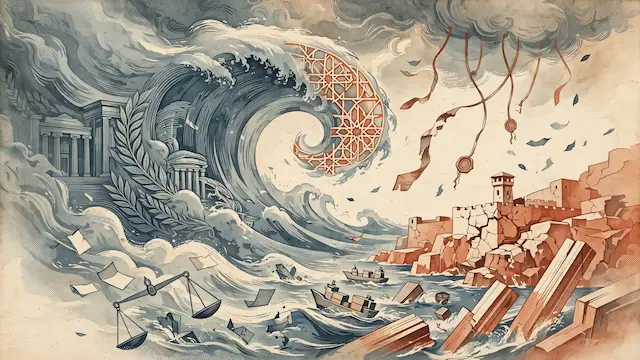
The recent incident with Britain is merely a prelude to a larger diplomatic storm brewing against Israel, according to columnist Jackie Hugi. Western and Arab nations are awaiting the outcome of Israeli elections, while simultaneously accumulating tools for political, economic, and public pressure that could converge after the vote. Britain's threatened sanctions against settlements, which include banning imports from beyond the Green Line and penalizing companies involved in settlement construction or finance, are still pending. These measures were announced by former British Foreign Secretary David Miliband in September, who accused Israel of turning a blind eye to what he termed ethnic cleansing by Jewish terrorists in the West Bank.
This perception of Israel as a destabilizing force is amplified by widespread pro-Palestinian protests in major Western cities and on university campuses in the US and Europe. The article suggests that governments may soon find it difficult to ignore this public pressure. Furthermore, a substantial evidence file submitted by the Palestinian Authority to the International Court of Justice in The Hague and the presence of adversaries, not just friends, in the UN Security Council add to Israel's diplomatic challenges. The convergence of governmental pressure, public opinion, legal proceedings, and international bodies could lead to a broad consensus against Israel, potentially resulting in a diplomatic and economic boycott.
Hamas is reportedly working behind the scenes, leveraging Turkish diplomacy and Qatari influence to advance this agenda. Meanwhile, governments in the Arab world, from Morocco to Abu Dhabi, as well as European nations, are observing the Israeli elections to gauge potential shifts in policy and the future direction of Israel. The author posits that regardless of whether the next Israeli government is flexible or rigid, a significant diplomatic tsunami, long feared, appears imminent.
The article argues that nations possess various tools to exert pressure, including diplomatic and economic boycotts, severed relations, and cultural boycotts. Government backing for such actions could embolden grassroots initiatives against Israelis abroad. The 7th of October attack, the author contends, has convinced Western allies that the Palestinian issue is an international problem, not merely a regional nuisance, and that it is intrinsically linked to broader regional stability, as evidenced by the disruption of shipping routes and threats to oil supplies stemming from the conflict.
European Union and UK leaders, along with segments of the American establishment, may find it increasingly difficult to ignore the Palestinian issue, especially while Israel rejects the internationally accepted two-state solution. The article concludes by stating that the world views Israelis as collectively responsible for their government's policies, particularly in a democracy. While acknowledging opposition to the current government, the author notes that a significant portion of the public is indifferent or supportive of its policies, such as the destruction of Gaza and the lack of action against settler violence. Instead of merely cursing adversaries, Israel should adopt a more effective approach, prioritizing public interest over electoral populism and formulating a clear political plan for the future to ensure the well-being of its citizens and address the persistent Palestinian desire for statehood.
מוזכרים
לא אותו אירוע: ידיעות אחרות שחולקות עם הידיעה הזו אנשים, מקומות או נושא. רקע, תגובות והמשכים.
