Israel Faces Security Challenges and Unfulfilled Promises Ahead of 2026 Elections
With 77 days remaining before the 2026 elections, Israeli citizens are once again hearing promises about security, deterrence, governance, and a tough stance on terrorism. However, the context has drastically changed since the 2022 elections due to the October 7 massacre and nearly three years of multi-front warfare that reshaped Israel, the IDF, and the regional threat landscape.
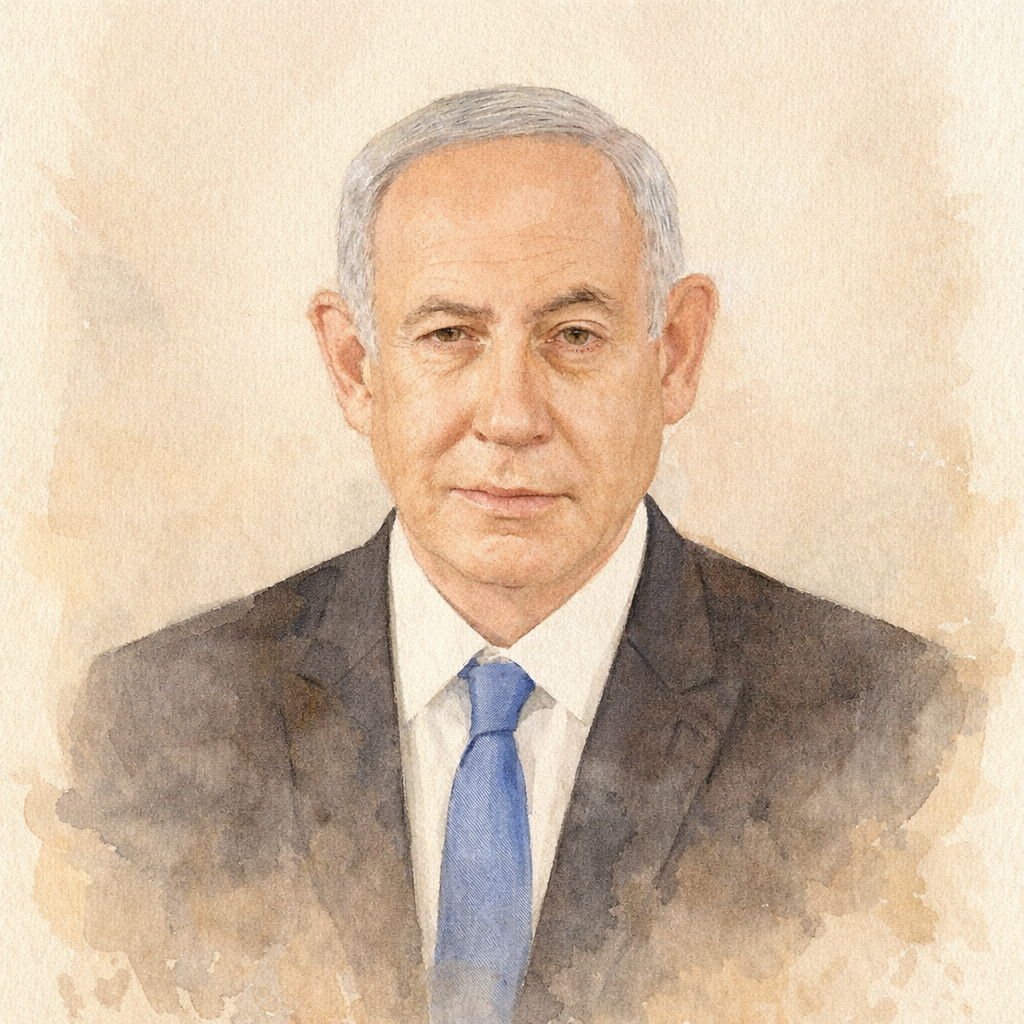
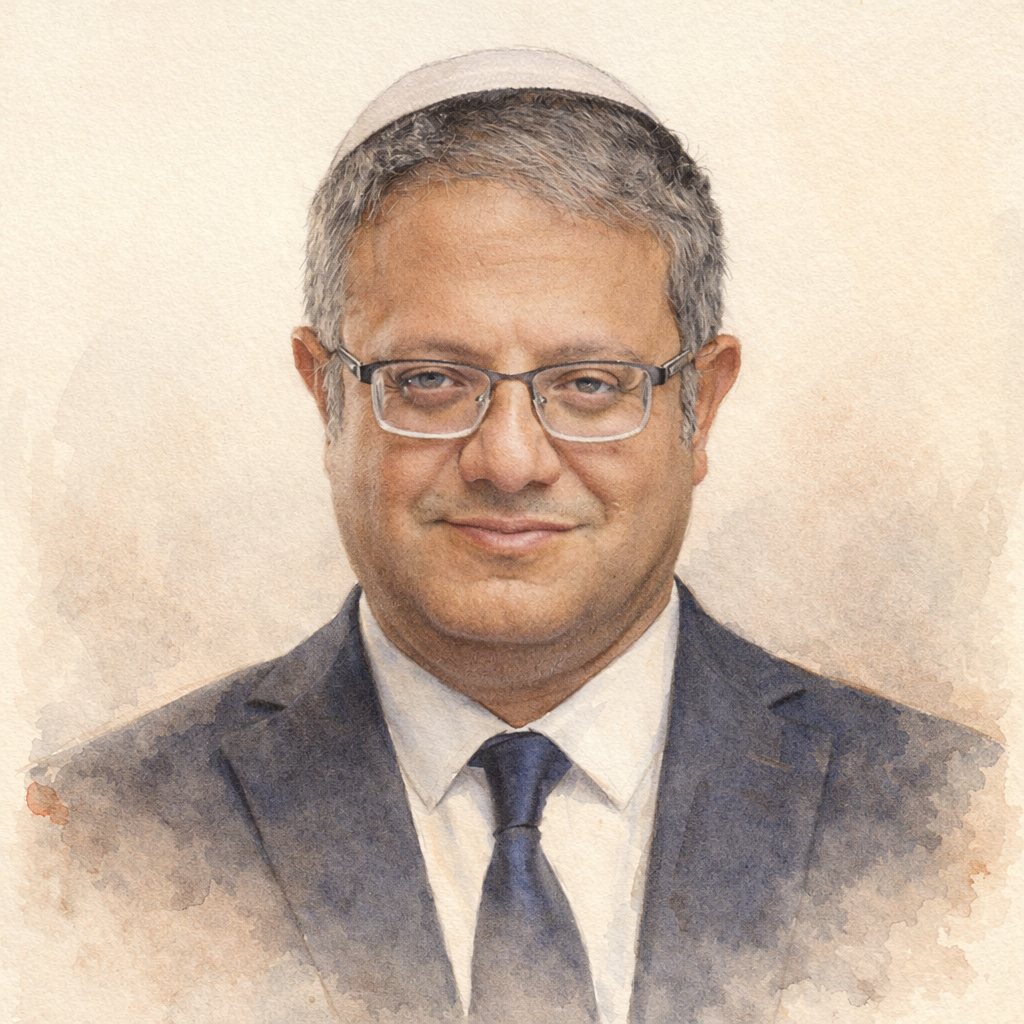
In the 2022 campaign, security was a central theme for Netanyahu’s right-wing bloc, which accused the outgoing Bennett-Lapid government of weakness toward Hamas and Hezbollah and pledged a more aggressive policy. Netanyahu emphasized restoring deterrence, criticizing the previous government’s concessions such as the maritime border agreement with Lebanon, which he initially opposed but did not cancel after returning to power. Religious Zionist and Otzma Yehudit parties also made combating terrorism and governance key campaign issues, with promises including changing rules of engagement, immunity laws for soldiers and police, death penalty for terrorists, expulsion of terrorists’ families, and reforms in the West Bank.
Despite these pledges, the gap between rhetoric and policy widened. Before October 7, 34 Israelis were killed in terror attacks, and incidents like the Hezbollah tent on Israeli soil symbolized eroding deterrence. Israel refrained from broad retaliation after a March 2023 Hezbollah attack from Lebanon and sought diplomatic solutions, reflecting a cautious approach. In Gaza, the government maintained a policy assuming Hamas preferred calm and economic improvement, even increasing funds transferred to Hamas via Qatar shortly before the October 7 attack.
The October 7 massacre shattered this perception, with about 1,200 Israelis killed and 251 abducted by Hamas, leading to Israel’s largest and most complex military campaign in its history. The IDF severely weakened Hamas and Hezbollah, killing top leaders and destroying infrastructure, but the conflict’s toll included prolonged captivity of hostages and significant casualties. The war also damaged Israel’s international standing and exposed ongoing challenges, including the unresolved threat from Hezbollah and Iran’s nuclear ambitions.
On the legislative front, some promised laws passed, such as the death penalty for terrorists and expulsion of terrorists’ families, but implementation has been limited or stalled. Immunity laws for soldiers and changes to rules of engagement were not fully enacted. In the West Bank, partial transfer of civilian authority to political leadership occurred, and settlement expansion advanced, though sovereignty was not officially applied.
A critical unresolved issue is the military manpower crisis. The coalition failed to pass legislation regulating ultra-Orthodox conscription, leading to increased draft orders but insufficient enlistment. The IDF extended mandatory service length and repeatedly mobilized reserves, straining families and businesses. Chief of Staff Eyal Zamir warned that without comprehensive solutions, the IDF risks collapse. Promised reforms to improve soldiers’ pay and conditions have not materialized fully.
In summary, four years after the last elections, Israel’s security balance under the "full right-wing" government is complex. The promised deterrence collapsed on October 7 but was followed by a powerful military response that reshaped regional dynamics. Some campaign promises became law or policy, others stalled or lost relevance amid new realities. As Israel approaches the next elections, the key question is not only the deterrence level against Hamas, Hezbollah, and Iran but also how long the IDF can sustain the heavy operational burden.
Keep up with