Arab Media Highlights Key Issues Shaping Israel's October Elections
In October, Israeli voters will decide on several contentious issues, including the investigation into the failures that allowed Hamas's unprecedented October 7, 2023 attack, mandatory military service for ultra-Orthodox Jews, and economic concerns. Saudi Arabia's Al Arabiya channel opened its coverage of Israeli politics by emphasizing these topics.
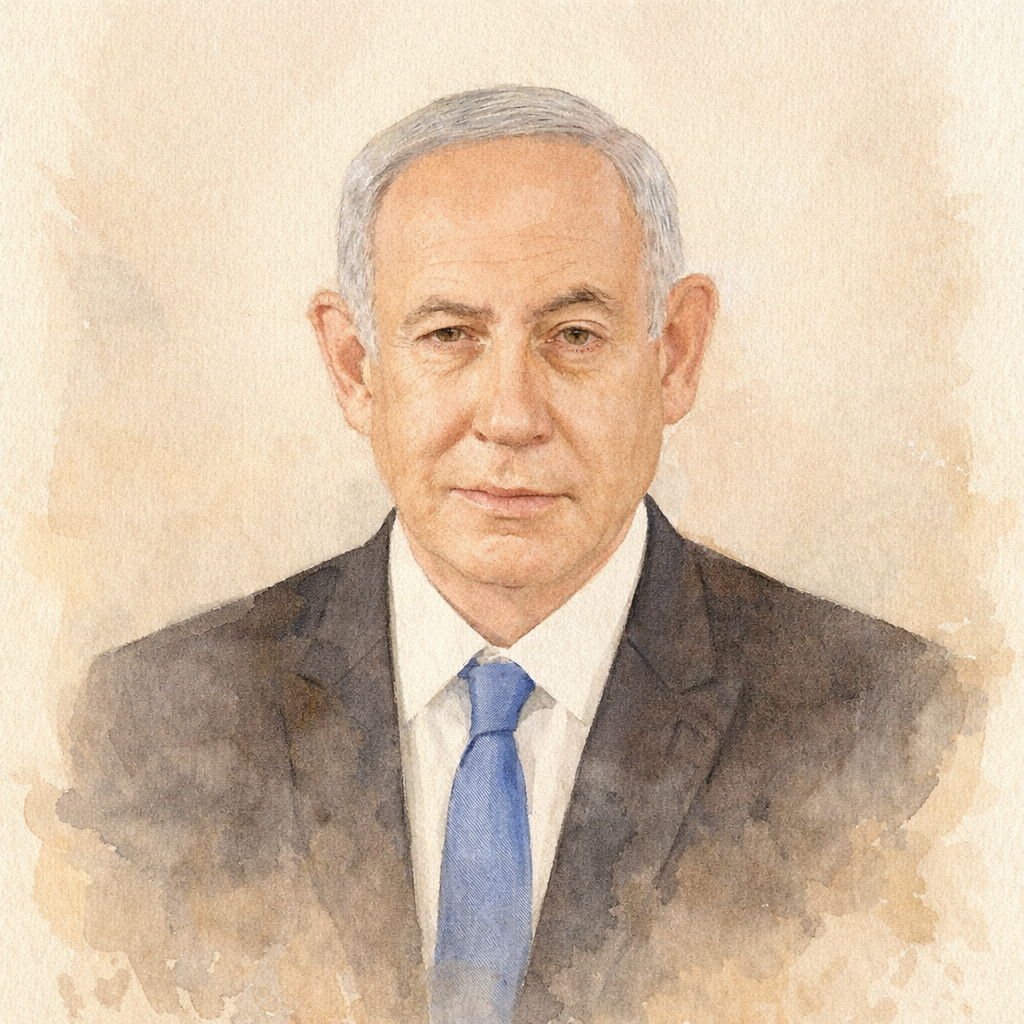
Following the deadly Hamas assault from Gaza on southern Israel, which deeply shocked the nation, many Israelis called for an independent official inquiry into the security lapses preceding the attack. Opposition parties prioritize establishing such a commission if they come to power, citing Israel's history of similar investigations after national crises. However, Prime Minister Benjamin Netanyahu's government rejects this, attributing responsibility to the security establishment.
Israel's security doctrine has shifted since the attack, moving from reliance on intelligence, deterrence, and short wars to prolonged military operations. The Israeli Defense Forces continue to occupy large parts of Gaza over two years after the war began, despite fragile ceasefires. Israel also controls areas in southern Lebanon and parts of Syria amid ongoing conflicts with Hezbollah and Iran. The military has established "security zones" in Lebanon, Syria, and Gaza, raising concerns about sustaining forces on multiple fronts. Since 2023, tens of thousands of reservists have been repeatedly mobilized, often at high personal and economic costs, while military leaders warn of manpower shortages. International criticism, including from the US, has increased over the human and economic toll of these wars.
The debate over mandatory military service for the ultra-Orthodox has expanded into a broader discussion about Israel's identity. Ultra-Orthodox parties, described as "religious-conservative," seek to maintain exemptions for yeshiva students, supported by Netanyahu's Likud and far-right coalition partners. Most opposition parties advocate ending these exemptions and refuse to join any government including ultra-Orthodox factions. The outgoing government recently promoted gender segregation in public spaces and legislation emphasizing Torah study, measures supporters say strengthen Israel's Jewish character, while critics argue they increase religious influence contrary to the majority's views.
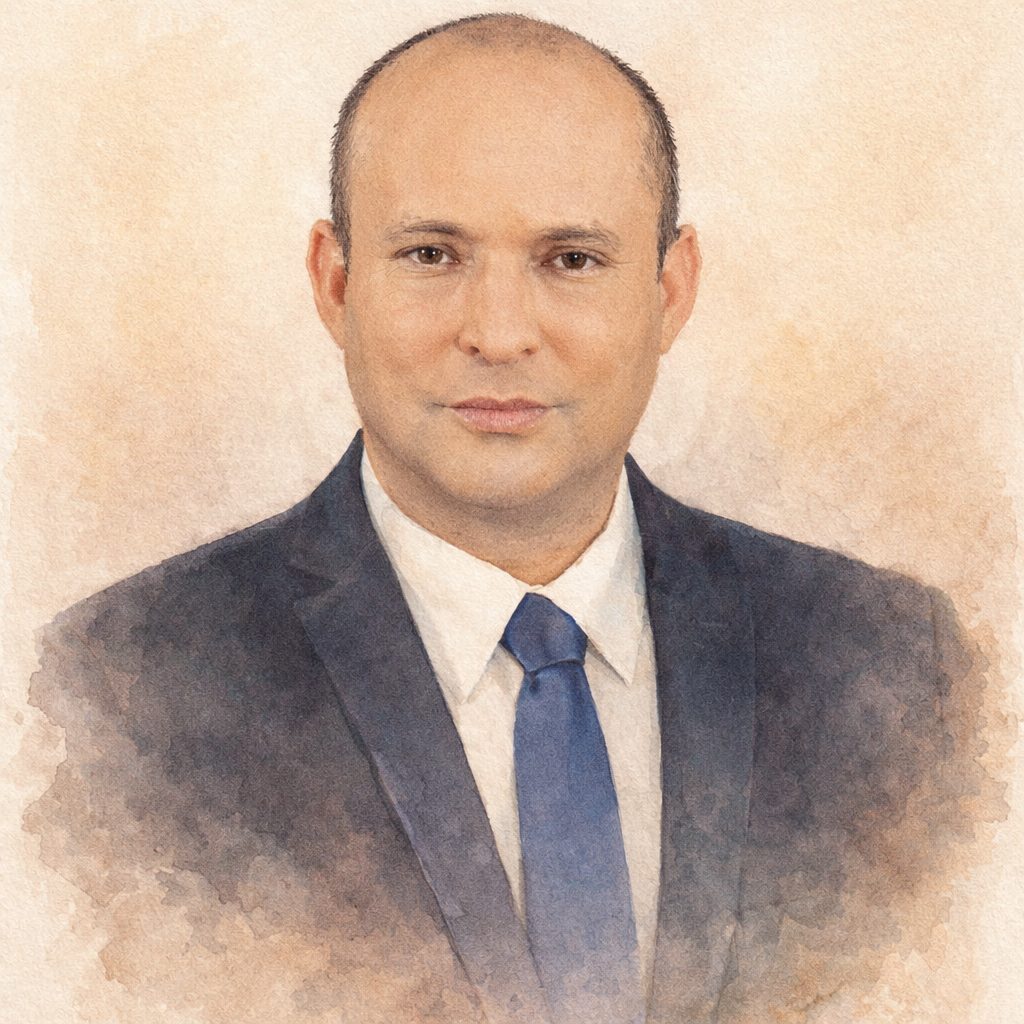
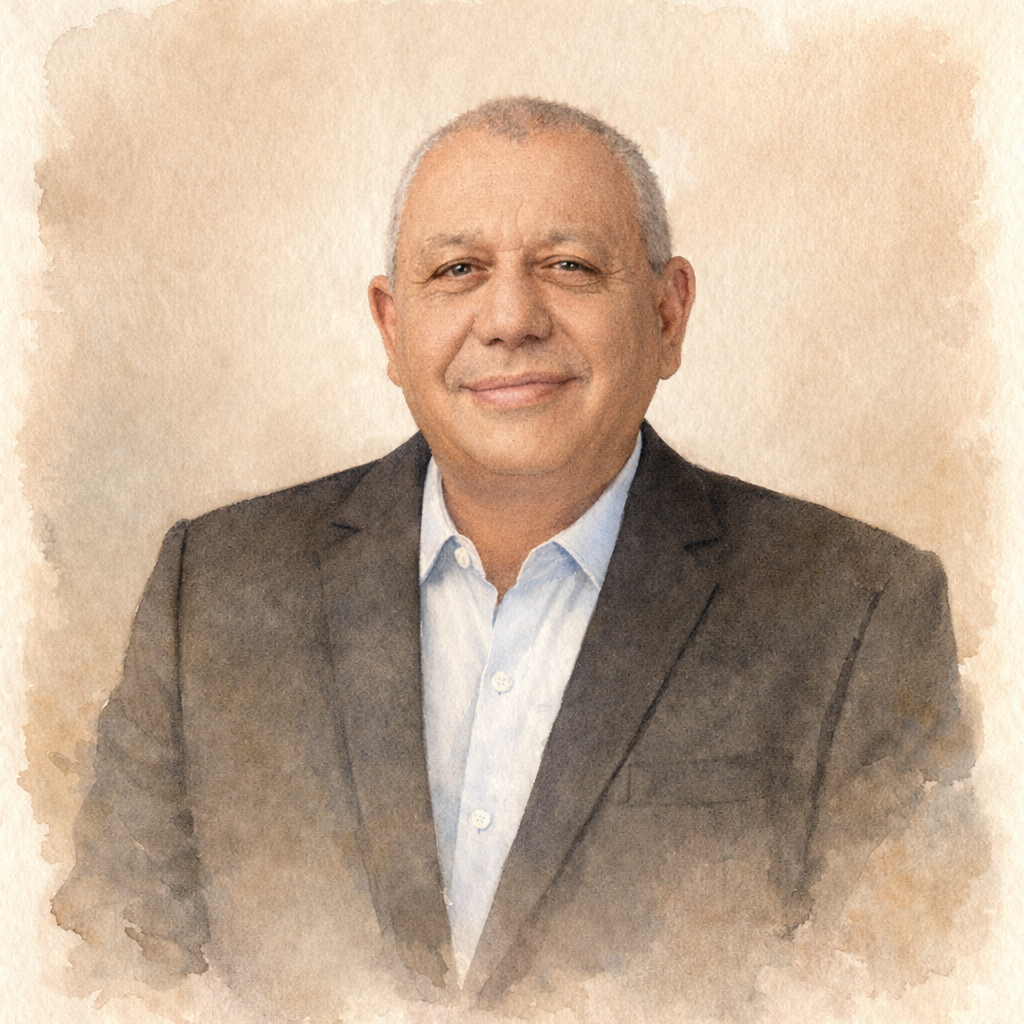
Despite security dominating political discourse, economic issues remain a major voter concern. Israel's economy has grown strongly, with GDP more than doubling since 2000 and unemployment historically low. Yet, Israelis face some of the world's highest living costs, especially for food and housing, due to chronic structural problems like housing shortages, trade restrictions, and weak competition. Public support for Netanyahu has declined in polls, partly due to the damaged security image after the Hamas attack, despite continued backing for his government's wars. Former IDF Chief Gadi Eisenkot, ex-Prime Ministers Naftali Bennett and Yair Lapid, and former Defense Minister Avigdor Lieberman are noted as leading contenders in the election race.
Keep up with