Iran's Threat to Cut Undersea Fiber Optic Cables in Strait of Hormuz Risks Global Internet Collapse
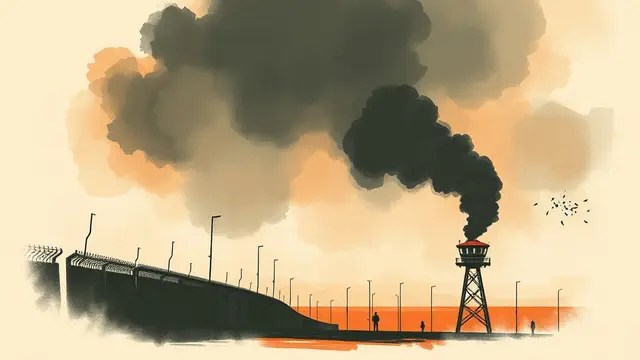
A recent strategic analysis reveals that Iran considers the undersea fiber optic cables running through the Strait of Hormuz as a powerful weapon capable of crippling the global internet and financial systems. These cables connect Gulf countries and India to the rest of the world, and damaging them would cause trillions of dollars in economic disruption, including the collapse of cloud services, banking systems, e-commerce, and secure military communications.
While Tehran views this threat as a strategic deterrent, experts warn that any attempt to sever these cables would backfire catastrophically. Such an act would transform Iran from a regional adversary into a global threat against humanity, provoking an overwhelming international response far more severe than past military reactions, potentially dwarfing the U.S. response to Pearl Harbor.
The analysis emphasizes that the global community tolerates political conflicts and regional wars but will not accept damage to the internet infrastructure that underpins the 21st-century economy. A strike on these cables would prompt a coordinated international coalition with a clear mandate to neutralize Iran’s regime.
This threat emerges amid escalating tensions between Washington and Tehran, with recent U.S. military strikes extending into Tehran itself. Concurrently, Iran is attempting to evade a U.S. naval blockade by using deceptive tactics with its fleet in the Strait of Hormuz, including flying false flags and disabling transmitters. Despite sanctions, Iran continues to export most of its oil to China through a complex network of shadow shipping and covert financial transactions.
Ultimately, the analysis concludes that Iran’s so-called "ultimate weapon" is a double-edged sword. Using it would amount to a self-destructive act, triggering swift and decisive retaliation that could lead to the regime’s downfall within hours or minutes. The message to Tehran is clear: the undersea fiber optic cables are a red line, not a bargaining chip, and crossing it would mean the end of the regime.