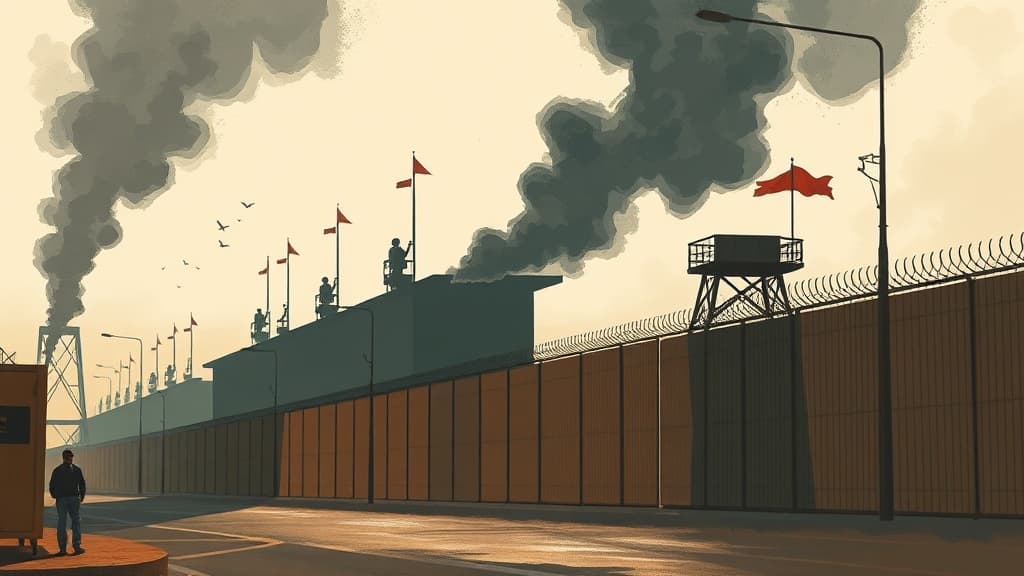
Iran Risks US Nuclear Deal by Attacking Ships in Strategic Strait of Hormuz

Tensions between Iran and the United States have escalated recently due to actions by Iran's Revolutionary Guards in the Strait of Hormuz, a vital maritime passage. Iran has been attacking ships passing through the strait, jeopardizing a lucrative deal it secured with the US that was expected to bring significant revenue.
The root cause of Iran's aggressive behavior is linked to China, which historically purchased about 90% of Iran's oil exports through Hormuz. Before US sanctions, Iran earned hundreds of millions daily from this trade. However, after sanctions were lifted, China resumed buying Iranian oil but at drastically reduced volumes, about 654,000 barrels per day in June compared to 1,380,000 barrels before the war, a drop of over 50%. The reasons for China's shift remain unclear but may involve secret agreements between US President Donald Trump and Chinese President Xi Jinping or China's access to cheaper oil from Saudi Arabia and Russia.
Iran had hoped to regain its previous oil export levels and revenue through the US deal, but the reduced Chinese purchases have created a significant cash shortfall. To compensate, Iran is reportedly extorting passage fees from oil tankers transiting the southern route of Hormuz, charging around $2 million per tanker, with smaller but still substantial fees from other commercial vessels. With over 100 commercial ships, including more than 60 oil tankers, passing daily, these fees could offset some lost income.
However, the US views Iran's toll demands as unacceptable, fearing they could set a precedent for other strategic straits worldwide. President Trump considers freedom of navigation through Hormuz a red line and may abandon the nuclear deal if Iran's actions threaten global maritime traffic. This dynamic explains the renewed confrontation between Washington and Tehran, as Iran's attempts to enforce protection fees directly challenge US interests and the terms of the agreement.
The situation highlights the complex interplay between Iran's economic needs, China's shifting oil policy, and US strategic priorities in the Gulf region, with the Strait of Hormuz at the center of escalating tensions.
The same event, reported separately by each outlet. Open a few to compare what different newsrooms emphasize — and what they leave out.


Not the same event — other stories that share this one’s people, places, or theme: background, reactions, and follow-ups.


