
Iran Risks Peace Talks With US Amid Tensions Over Strait of Hormuz Control
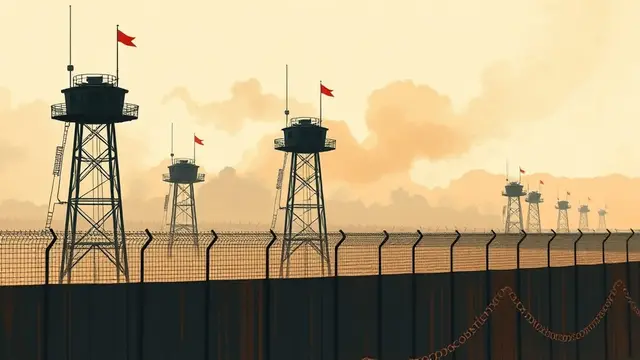
Recent mutual attacks between Iran and the United States near the Strait of Hormuz have jeopardized a fragile ceasefire in their ongoing conflict, which both sides are eager to end. Analysts told The New York Times that Iran views its ability to disrupt traffic through this vital global economic waterway as a critical leverage point it cannot afford to lose, whether in negotiations or war.
Last week, Oman and the UN International Maritime Organization established a new shipping route passing solely through Omani territorial waters, potentially undermining Iran's strategy to maintain exclusive control over the strait. Ali Vahz, an Iran expert, explained that Iran needs this leverage to pressure the US for concessions, particularly sanctions relief tied to a renewed nuclear deal. Such a deal would likely require Iran to reduce or surrender its enriched uranium stockpile, which could be used for nuclear weapons.
Iranian officials suspect the Trump administration signed a preliminary agreement mainly to buy time ahead of the US midterm elections, fearing a return to conflict afterward. If so, Iran would need to retain its capacity to disrupt the strait. Parzan Sabat, another Iran specialist, noted that Iran’s influence is strongest during active conflict or hostile ceasefires, explaining its swift retaliation against a Singapore-flagged container ship navigating the new bypass route.
These exchanges escalated into four days of attacks, including strikes on US military targets in Gulf countries. Iranian Foreign Minister Abbas Araghchi warned that attempts to circumvent Iran’s control would prolong instability and delay reopening the strait. This stance aligns with Iran’s new leadership, which appears ready to pursue peace talks with Washington while simultaneously preparing for potential conflict, reflecting a shift from the previous Supreme Leader Ayatollah Ali Khamenei’s cautious "no war, no peace" approach.
Analyst Eli Granmaya highlighted that the current regime around Khamenei’s successor, Mojtaba Khamenei, shows a greater appetite for risk, willing to escalate tensions boldly yet also open to high-level direct negotiations with the US.
The same event, reported separately by each outlet. Open a few to compare what different newsrooms emphasize — and what they leave out.




Not the same event — other stories that share this one’s people, places, or theme: background, reactions, and follow-ups.

Ask About This Article
Duki reads it, and every newsroom on the same story, then answers with sources.