
US Launches Major Strikes on Iranian Military Targets Amid Hormuz Strait Tensions
Translated & summarized from Kikar HaShabbat by baba
The US Central Command launched extensive strikes on Iranian military targets early Wednesday, marking the first direct action since a recent ceasefire. The operation aims to weaken Iran’s military capabilities used against commercial shipping in the Strait of Hormuz amid escalating regional tensions. Iran responded with threats and public displays against President Trump, while mysterious maritime incidents and disruptions at Israel's Ben Gurion Airport highlight the broader impact of the crisis.
The story in 6 lines · by baba
- US Central Command launched broad strikes on Iranian military targets early Wednesday.
- Strikes aim to degrade Iran's capabilities used against commercial shipping in the Strait of Hormuz.
- US reinstated naval blockade with 20+ warships and hundreds of aircraft in the Middle East.
- Iran displayed threats against President Trump and proposed hostage-taking plans in parliament.
- Cargo ship Luni broke in two near Iran amid rising regional tensions.
- 33 US refueling planes stranded at Ben Gurion Airport, risking major flight disruptions in Israel.
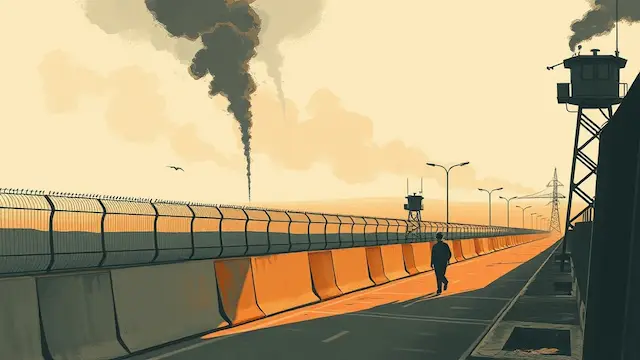
The United States Central Command announced on Wednesday morning the initiation of a broad wave of military strikes against Iranian military targets. This marks the first direct US military action against Iran since a ceasefire took effect several weeks ago. The strikes began at 6:00 AM Eastern Time, involving fighter jets, drones, and naval vessels firing precision munitions at Iranian military sites. According to the official statement, the operation aims to degrade Iranian military capabilities used to attack commercial shipping in the strategic Strait of Hormuz.
The escalation follows weeks of rising tensions in the region, highlighted by recent Iranian attacks on seven commercial vessels over the past week. In response, the US reinstated a naval blockade on the Strait of Hormuz last Tuesday, deploying over 20 warships and hundreds of military aircraft across the Middle East. Admiral Brad Cooper, commander of Central Command, emphasized that US forces remain vigilant, lethal, and prepared to defend American interests in the area.
Iran responded with hostile rhetoric and public displays in Tehran’s Revolution Square, including a large exhibit depicting a coffin with President Donald Trump’s image and a billboard threatening his death. Iranian parliament members proposed extreme measures, including a plan by former Foreign Minister and current parliamentarian Manouchehr Mottaki to launch a ground attack on a US base to capture 100 American soldiers and civilians as hostages.
Amid the heightened tensions, mysterious incidents continue in the Strait of Hormuz. On Tuesday, the 32-year-old cargo ship Luni, flying the flag of Saint Kitts and Nevis, broke in two and partially sank near Bandar Abbas port in Iran. While the official cause remains unknown, experts suggest a collision with another vessel days earlier, though more ominous scenarios linked to the military tensions are not ruled out.
The escalation also impacts Israel, where 33 US KC-135 Stratotanker refueling aircraft remain stranded at Ben Gurion Airport due to the US freezing their planned evacuation amid the Iran crisis. Sharon Kadmi, CEO of Israel Airports Authority, warned that the severe shortage of parking space for commercial aircraft could severely disrupt airport operations during the peak summer season. Without resuming the evacuation soon, airlines may face forced reductions in flights starting early August, potentially canceling tens of thousands of tickets.
The international community watches anxiously as the situation unfolds, with uncertainty whether this escalation will trigger a broader conflict or if diplomatic efforts will prevail to de-escalate tensions. Further updates are expected.
Mentioned
The same event, reported separately by each outlet. Open a few to compare what different newsrooms emphasize — and what they leave out.
Centre 3Right 3Haredi 2Other 2








