
IDF Reactivates Jordan Border Outposts Amid Security Concerns After October 7 Attack
Translated & summarized from Channel 13 by baba
Following the October 7 attack, the IDF has reactivated long-abandoned outposts along the Jordan border to strengthen security, with the Lavi HaBik'a battalion now responsible for the area amid concerns about threats from Jordan's neighboring countries.
The story in 6 lines · by baba
- IDF reactivates 'Water Line' outposts along Jordan border abandoned since 1994 peace deal.
- The 'Lavi HaBik'a' battalion is tasked with manning and securing the border area.
- The move responds to security concerns after the October 7 terrorist attack.
- Officials state the threat is from countries neighboring Jordan, not Jordan itself.
- The outposts were originally established in the 1970s and abandoned after the peace agreement.
- This step reflects heightened military vigilance on Israel's eastern border.
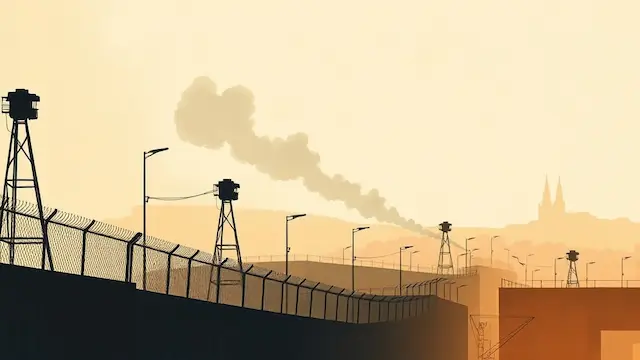
The Israel Defense Forces (IDF) have reactivated military outposts along the Jordanian border, known as the "Water Line," which had been abandoned since the 1994 peace agreement with Jordan. These outposts, originally established in the 1970s, are being brought back into operation due to heightened security concerns following the October 7 terrorist attack and the complex security environment that has since developed.
The "Lavi HaBik'a" battalion is now responsible for manning these positions and overseeing security in the area. Officials emphasized that the threat does not come directly from Jordan but rather from the neighboring countries that border Jordan. This move reflects the IDF's efforts to bolster its defensive posture in response to evolving regional threats.
The decision to reinstate these outposts marks a significant shift in Israel's border security strategy, highlighting the ongoing challenges faced by the military in maintaining stability along its eastern frontier. The reactivation aims to enhance surveillance and rapid response capabilities in the region.
The same event, reported separately by each outlet. Open a few to compare what different newsrooms emphasize — and what they leave out.
Centre 2Right 2




Not the same event — other stories that share this one’s people, places, or theme: background, reactions, and follow-ups.
