
Knesset Committee Approves Basic Law on Torah Study Despite Legal Advisor Opposition
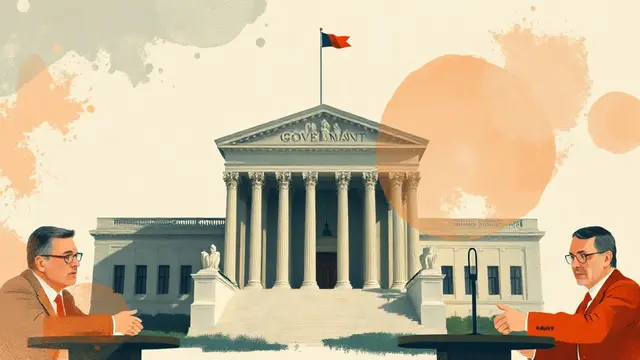
The Knesset Committee approved the Basic Law proposal on Torah Study in a first reading on Tuesday after a heated debate over its purpose and constitutional implications. The bill passed with 10 votes in favor and 4 against. The law aims to establish Torah study as a fundamental value in Jewish heritage and the State of Israel. However, the Deputy Government Legal Advisor, Adv. Avital Sompolinsky, opposed advancing the bill before clarifying its objectives, noting that the proposal does not address key questions about the status and rights of Haredi individuals in Israeli society.
Supporters, including MK Yossi Tayeb, argued the law clearly defines a constitutional value and provides a declarative framework to protect Torah study among other fundamental values. MK Itzik Goldknopf emphasized the law’s intent to recognize the Torah given at Mount Sinai and to prevent punitive measures against Torah learners, highlighting concerns about the current treatment of Haredi students. Opponents like MK Merav Michaeli criticized the bill as a political maneuver that elevates Torah study, primarily by men, above other laws.
Practical concerns were also raised, such as the law’s potential budgetary impact and justice balance. MK Vladimir Beliak questioned the law’s implementation and financial consequences, while MK Moshe Gafni responded that constitutional laws do not require budgetary assessments and assured the law would not harm soldiers’ rights or benefits. The bill’s supporters maintain it solely affirms the value of Torah study without infringing on other rights.
The committee’s approval marks a significant step toward enshrining Torah study as a constitutional value, though the bill faces ongoing debate regarding its societal and legal ramifications.
The same event, reported separately by each outlet. Open a few to compare what different newsrooms emphasize — and what they leave out.












Not the same event — other stories that share this one’s people, places, or theme: background, reactions, and follow-ups.
Ask About This Article
Duki reads it, and every newsroom on the same story, then answers with sources.