
Google Rolls Out Android 17 With AI Upgrades and Apple Ecosystem Compatibility
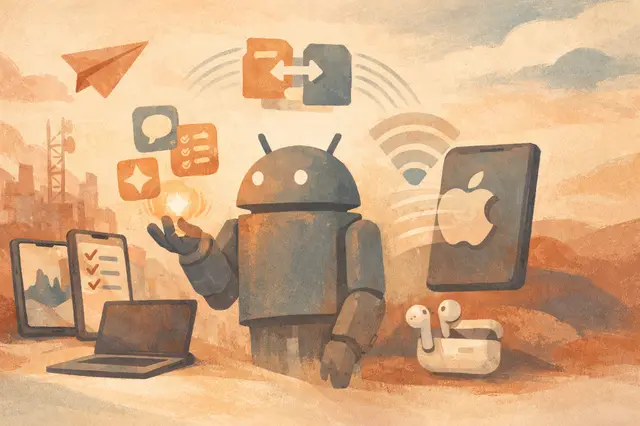
Google officially unveiled Android 17 last month, and the new operating system is now reaching the first devices worldwide. This update introduces significant enhancements, including advanced artificial intelligence features designed to boost productivity and streamline daily tasks. Central to these improvements is Gemini Intelligence, a new AI architecture that transforms the smartphone assistant into an active AI agent capable of autonomously managing tasks like ordering food, scheduling appointments, and retrieving personal documents.
Android 17 also upgrades autofill capabilities using AI to recognize and complete complex fields such as passport numbers and license plates across apps and browsers. Another notable feature is Rambler, an enhanced version of Google’s Gboard keyboard that understands conversational context, allowing users to modify dictated text dynamically. The update further personalizes user experience by enabling AI-generated widgets that display dynamic, context-aware information directly on the home screen.
In a major move toward cross-platform compatibility, Google has expanded its Quick Share file-sharing feature to work with Apple’s AirDrop, facilitating seamless file transfers between Android and iOS devices. However, this functionality will be limited to newer Android devices with compatible hardware. Android 17 also broadens the use of Bubbles, allowing floating app windows for multitasking across all apps, with special interface enhancements for large-screen devices like tablets and foldables.
To combat endless social media scrolling, Android 17 introduces Pause Point, a feature that enforces a 10-second waiting period before opening addictive apps, offering healthier alternatives during the pause. Disabling this feature requires a full device restart, emphasizing its commitment to user well-being. Meanwhile, Apple’s iOS 17 update focuses on interface refinements, faster app performance, and an upgraded Siri assistant powered by Google’s Gemini AI, promising more contextual and conversational capabilities, though this is yet to be fully implemented.
These developments highlight Google’s strategic focus on AI integration, user productivity, privacy, and enhanced interoperability with Apple’s ecosystem, signaling a new era for mobile operating systems.



