
Experts Urge Caution Over Israel-Lebanon Security Memorandum Amid Hezbollah and Iran Tensions
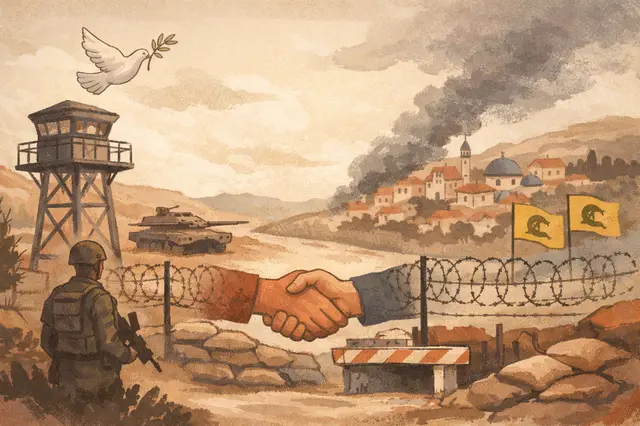
Dr. Michael Milstein, a researcher at Tel Aviv University's Dayan Center, advised caution regarding the recent Israel-Lebanon agreement signed on Friday, describing it not as a peace treaty but as a security memorandum at the ambassadorial level. He emphasized that the agreement has not reached the Israeli cabinet or involved meetings between heads of state, and similarly, Lebanon treats it as a limited diplomatic understanding. Milstein noted Hezbollah's clear rejection of the agreement, with spokesman Naim Qassem labeling it a surrender, though he expressed skepticism about Hezbollah returning to active combat due to Israel's heightened alertness and strong U.S. backing.
Milstein also commented on Lebanon's government, suggesting it lacks the capacity to assert itself strongly, and highlighted the ongoing Iranian interest in controlling the Strait of Hormuz. Danny Sitrinovich, an Iran expert at the Institute for National Security Studies, discussed Tehran's stance, stating that Iran remains unshaken by U.S. threats and views the Lebanon agreement as insufficient to end conflicts with Hezbollah. He explained Iran's insistence on controlling the Hormuz Strait as a fundamental strategic goal, equating its importance to missile production and nuclear enrichment, and predicted continued Iranian attacks on vessels bypassing Revolutionary Guard routes.
Regarding regional reactions, Milstein pointed out the Gulf states' deep mistrust of former U.S. President Donald Trump, especially after his aggressive rhetoric toward Iran. He noted that while Gulf countries strongly oppose Iran, they are wary of escalations and are likely to pursue diplomatic efforts, led by Qatar and others, to return to dialogue and avoid further conflict escalation.
The same event, reported separately by each outlet. Open a few to compare what different newsrooms emphasize — and what they leave out.







Not the same event — other stories that share this one’s people, places, or theme: background, reactions, and follow-ups.


Ask About This Article
Duki reads it, and every newsroom on the same story, then answers with sources.