October 7th Trauma Lingers in Israel, Three Years Later
Translated & summarized from Maariv by baba
The story in 4 lines · by baba
- The trauma of October 7th remains a constant presence in Israel three years later.
- Reminders of the massacre are visible throughout Israeli society.
- The author stresses the importance of remembering victims and their families.
- The ongoing pain is a heavy burden carried by the nation.
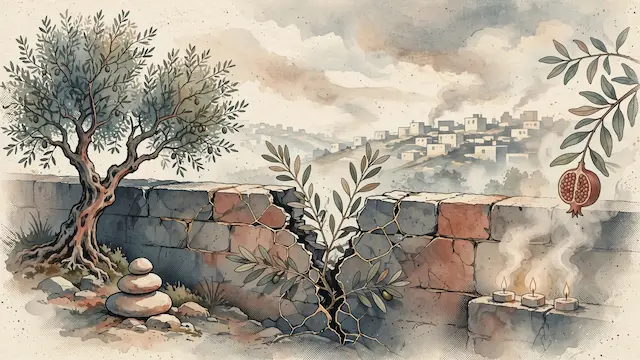
Three years after the October 7th massacre, the trauma and pain remain a constant presence in Israel, according to author Anat Moshe. While life has inched towards a semblance of normalcy with the return of hostages and a relative calm on some fronts, the memory of the day and its aftermath is inescapable.
The author notes that the anniversary is not just a date on the calendar but a continuous undercurrent in daily life. Reminders are everywhere: photographs of young victims displayed on streets, public spaces and facilities named after fallen soldiers and civilians, and a pervasive presence in cultural events, media, and political discourse.
Moshe emphasizes the importance of these constant reminders. Even during routine activities like work, study, and leisure, Israelis are urged to remember those whose lives were cut short and will never return to normal. This includes those killed in battle, murdered in their homes, or taken hostage, as well as their grieving families who witness the country moving on while their own lives remain irrevocably altered.
The weight of October 7th, three years on, is still a heavy burden carried by the nation, a constant reminder of the immense loss and the profound changes it wrought.
Mentioned
The same event, reported separately by each outlet. Open a few to compare what different newsrooms emphasize — and what they leave out.
Centre 2

Not the same event — other stories that share this one’s people, places, or theme: background, reactions, and follow-ups.