Tzvika Hadar Recounts Life-Altering Anxiety Attack After October 7th
Translated & summarized from Ice by baba
The story in 5 lines · by baba
- Tzvika Hadar experienced a severe anxiety attack after the October 7th massacre.
- He felt unable to perform his entertainment duties due to the trauma.
- Hadar joined a civilian emergency response effort with a friend.
- He helped organize support for funerals and temporary burial sites.
- He found strength in the unity and collective effort of Israelis.
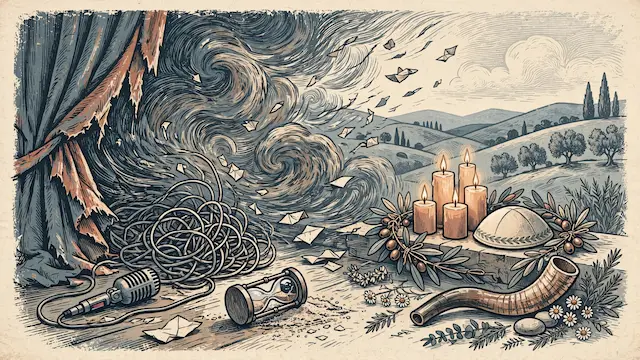
Israeli TV host and entertainer Tzvika Hadar described on his Channel 16 program the profound impact of the October 7th massacre, recounting how he experienced a severe anxiety attack and felt unable to perform his usual role of bringing joy.
Hadar explained that in the initial hours of the attack, he struggled to grasp the scale of the events, initially dismissing reports of infiltrations. He recalled how plans for his shows, scheduled after a Bruno Mars concert, were initially met with a sense of normalcy, even leading to jokes about the situation. However, as the reality of the massacre unfolded, including reports from news anchors like Dano Kushmaro, the gravity of the situation became overwhelming.
When calls came in from other artists wanting to help entertain the wounded, Hadar realized he himself was incapable of performing. "I entered the anxiety attack of a lifetime," he stated, explaining his fear for his family and his own life made him unable to even smile for others. Instead of going on stage, he retreated to a truck, seeking solitude and a reprieve from expectations.
Joined by his close friend Pitosi in the truck, which was used for TV equipment, Hadar found a new purpose. They became involved in the civilian emergency response, which he described as the only functioning entity in Israel during the first two to three months. He noted meeting many dedicated individuals, including Eritreans who assisted without work permits, all working together to load trucks and support relief efforts.
Hadar established a "mourning hub" and found himself undertaking tasks he never imagined, such as providing chairs, fans, and hot water urns at temporary burial sites and assisting families locate their loved ones' graves. He stated that he and Pitosi, with their truck, became a support system for funerals, attending two to three daily to set up tents and provide comfort. Despite the grim circumstances, Hadar found strength in the collective national effort and the unity displayed by Israelis from all backgrounds. He concluded by sharing a moment with his wife, expressing hope for the future and pride in the Israeli people, even amidst tears.