Iran Faces Severe Crisis, Top Security Official Admits
Translated & summarized from Channel 9 by baba
The story in 5 lines · by baba
- Top Iranian security official admits country faces severe economic crisis.
- Iranian rial has lost over half its value in a year; inflation exceeds 70%.
- Reduced oil exports and sanctions are crippling Iran's foreign currency earnings.
- Economic hardship leads to delayed salaries and potential exodus of key workers.
- Oil Minister resigns amid escalating pressure on the energy sector.
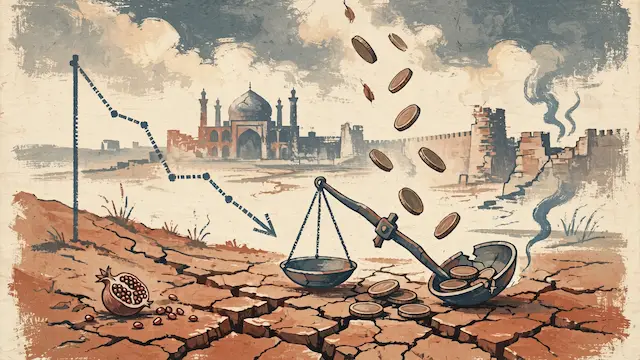
This statement, made on October 3, comes as President Masoud Pezeshkian also admitted to the worsening economic situation. Rezaei, a former commander of the Islamic Revolutionary Guard Corps, described the current circumstances as "one of the most severe periods the country has faced," according to the state news agency IRNA. His remarks were made at a high-level meeting focused on stabilizing the economy amidst ongoing conflict with the United States and Israel.
The Iranian rial has seen a dramatic devaluation, trading at approximately 2.688 million to the dollar on October 3, a significant drop from the previous day and a loss of over half its value in the past year. Inflation has reportedly exceeded 70%, severely impacting the cost of imported goods and eroding savings. The Central Bank of Iran has attempted to stem the decline by releasing up to $2 billion, but these measures have so far been ineffective. The currency's collapse is exacerbated by years of sanctions, structural economic issues, and the consequences of recent regional conflicts.
Iran's economy, heavily reliant on oil exports for foreign currency, is particularly vulnerable. U.S. sanctions and shipping restrictions have significantly hampered oil exports, with Iran being an exception to the broader recovery seen in Middle Eastern oil production. This reduction in oil revenue limits the government's ability to fund state expenses, import essential goods, and maintain the financial system, creating a vicious cycle of currency depreciation, inflation, and reduced public purchasing power.
The economic strain is also affecting the labor market, with reports of delayed salaries, reduced payments, and deteriorating working conditions for both public and private sector employees. Teachers and healthcare workers have reportedly expressed intentions to leave their jobs, and public sector pensioners are protesting non-receipt of full payments. The resignation of Oil Minister Mohsen Pnejad on October 4, though officially attributed to personal reasons, occurred at a highly sensitive time for the oil industry, with Hamid Boward, CEO of the National Iranian Oil Company, appointed as interim head.
It suggests that the economic crisis is now viewed as a threat to the country's overall stability. Meanwhile, U.S. officials believe that escalating sanctions and trade restrictions are working against Iran, though global economic factors like high energy prices and shipping costs are also impacting the wider world.
Mentioned
The same event, reported separately by each outlet. Open a few to compare what different newsrooms emphasize — and what they leave out.
Right 1Other 1

Not the same event — other stories that share this one’s people, places, or theme: background, reactions, and follow-ups.