Tax Authority Conducts Sweeping Audits in Northern Israel and Sharon Region
Translated & summarized from Mignews by baba
The story in 5 lines · by baba
- Tax Authority audited 161 businesses in northern Israel and Sharon.
- 57% of businesses failed to record their revenue.
- Audits focused on accounting, income registration, and cash use.
- Violations found in markets, shops, and service centers.
- Tax Authority vows to continue nationwide enforcement.
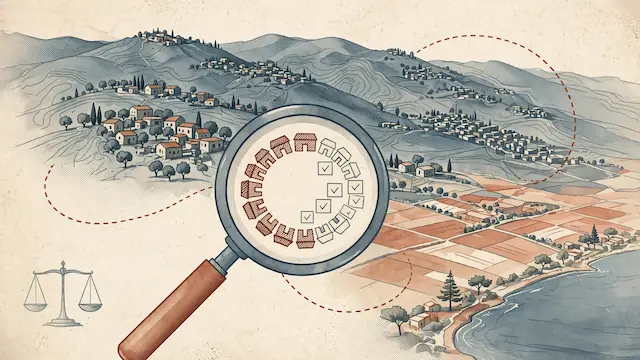
Israel's National Bureau for Accounting Enforcement of the Tax Authority has concluded a large-scale audit operation across the northern region and the Sharon area. The audits, which focused on compliance with accounting regulations, income registration, and adherence to the cash reduction law, inspected 161 businesses in various locations including Tiberias, Karmiel, the Golan Heights, Afula, Nazareth, Netanya, and Haifa.
Results revealed that 57 percent of the audited businesses, totaling 93 enterprises, failed to record their revenue. The operation involved preliminary surveillance and in-depth audits of companies from diverse sectors.
In Haifa and its surroundings, inspectors found income reporting issues in most market stalls. In the Sakhnin area, 90 percent of businesses showed violations. Examples include a butcher shop owner who claimed to have opened on the day of the inspection, a clothing store owner citing inexperience for unregistered sales, and a car service on the Golan Heights where 136,000 shekels in undeclared income were found, attributed by the owner to company debts.
Further findings included a wholesale merchant in Taybeh who used TikTok to promote business while concealing tens of thousands of shekels in income. In Netanya and its vicinity, over 60 percent of checked businesses did not register revenue received through cash, bank transfers, or payment apps.
The Tax Authority stated that such inspections will continue nationwide on a permanent basis to combat the shadow economy, tax evasion, and enhance enforcement. These measures aim to ensure accurate financial reporting, fair tax collection, and reduce tax inequality.
Mentioned