
IDF Chief of Staff Admits Military Failure on October 7
Translated & summarized from 0404 by baba
The story in 5 lines · by baba
- IDF Chief of Staff admits military failure on October 7th.
- Zamir honors victims and pledges to learn from failures.
- IDF will adopt a proactive strategy against emerging threats.
- He highlights the bravery and resilience of Israeli society.
- The military must earn public trust through daily actions.
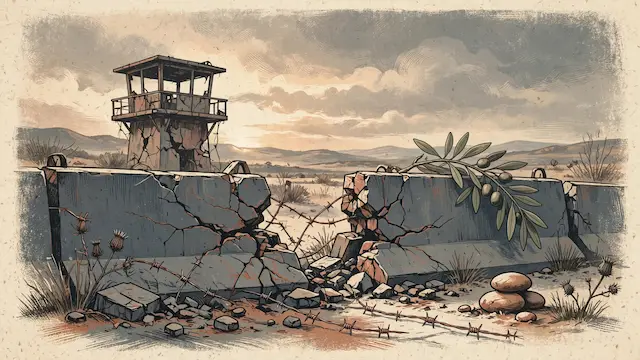
Three years after the October 7th Hamas attack, IDF Chief of Staff Lt. Gen. Eyal Zamir issued a special order of the day to soldiers, reservists, and military personnel. Zamir directly addressed the military's failure to protect civilians on that morning, honoring the victims and fallen, acknowledging the bravery of soldiers and civilians, and pledging the IDF's commitment to learning lessons and building a force capable of facing future challenges. He stated that the IDF did not fulfill its most basic mission of defending the country's citizens as borders were breached and entire communities in the western Negev were transformed into battlegrounds, sites of murder, and hostage-taking.
Zamir described the stark contrast between the peaceful life in the region before the attack and the horrific scenes that followed, with homes becoming sites of massacre and fields of settlement turning into battle zones. He emphasized that three years later, the entire nation still carries the pain and loss, with "an entire nation bowing its head."
He dedicated a significant portion of his message to remembering civilians murdered in their homes, young people killed while celebrating, hostages murdered in captivity, and soldiers who fell in battle. He also recognized security forces, emergency response teams, and rescue personnel who entered the fray to save lives, and affirmed the IDF and Israeli society's support for the wounded and bereaved families.
Zamir stressed the IDF's responsibility to thoroughly examine the failures leading to October 7th and ensure lessons are implemented. He stated that public trust is not a given and the military must earn it daily, requiring a conceptual and practical shift to make the IDF more alert, prepared, and lethal against any threat. He also highlighted the extraordinary bravery displayed by soldiers, police, security forces, and civilians who fought to defend communities and save families amidst the chaos, showcasing Israeli society's resilience and ability to unite.
Looking ahead, Zamir outlined a shift in strategic thinking, stating Israel can no longer passively wait for enemies to strengthen. The IDF will proactively identify threats in their nascent stages, monitor adversaries' force build-up, and act decisively against them. He vowed that the military would not allow terror groups to build capabilities under the guise of quiet that could later be used against Israeli citizens. Zamir praised those on the front lines and in support roles since the war began, describing them as protectors of the nation and pledging to strengthen the IDF, prepare it for future tests, and uphold its values and decisiveness. He concluded by connecting the memory of the fallen with the IDF's future mission, ensuring that the lessons learned will guide the military in building a reality where Israelis can live in safety, and that the people who returned to their land will never be uprooted.
The same event, reported separately by each outlet. Open a few to compare what different newsrooms emphasize — and what they leave out.
Centre 5Right 5Haredi 2Other 1















Not the same event — other stories that share this one’s people, places, or theme: background, reactions, and follow-ups.


