
Spanish Parliament Rejects Housing Decrees, PM Sánchez Faces Political Crisis
Translated & summarized from Now 14 by baba
The story in 5 lines · by baba
- Spanish parliament rejected two key housing decrees from PM Sánchez's government.
- The failures have intensified a domestic political crisis for Sánchez.
- Early elections in Spain are now a strong possibility.
- Tens of thousands protested nationwide over the housing crisis.
- The government relies on smaller parties, highlighting its fragility.
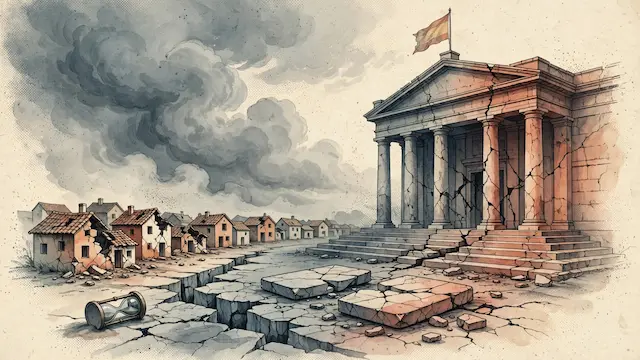
Spanish Prime Minister Pedro Sánchez is facing a severe domestic political crisis after the parliament rejected two key housing decrees proposed by his government. The decrees, aimed at addressing Spain's pressing housing issues, failed to secure the necessary support from smaller parties upon which Sánchez's minority government relies.
The first decree, which included measures to extend rental contracts, cap rent increases, and provide protections for vulnerable tenants, was defeated by a vote of 178 to 172. Opposition parties, including the People's Party, Vox, and the Catalan party Junts, voted against it. Junts, a crucial supporter of the minority government, argued that the proposed measures could actually reduce housing supply and worsen the crisis.
The second decree also failed, highlighting the fragility of Sánchez's coalition, which holds only 147 out of 350 seats in parliament and requires external support for legislation. This legislative setback comes amid widespread protests across Spain concerning the housing crisis, with tens of thousands demonstrating in over 50 cities. Approximately 70,000 people protested in Madrid alone, and some calls for a general strike were heard.
Following the rejection of the decrees, Prime Minister Sánchez has entered a period of consultation and evaluation of his next steps. The possibility of calling early elections, potentially as soon as late November, is now being seriously considered by the government and its partners. Sánchez, whose government has adopted a critical stance towards Israel and recognized a Palestinian state, may soon find himself fighting for his political future at home. While no official decision has been made to dissolve parliament, the failure of these decrees underscores the significantly reduced room for maneuver for his minority government.
Read the original at Now 14