Israeli Communities Grapple With Trauma and Memory After Attacks
Translated & summarized from Davar by baba
The story in 5 lines · by baba
- Gaza border communities seek guidance on memorializing October 7th losses.
- Kibbutz Yad Mordechai's 1948 experience offers lessons in trauma and memory.
- Alon Dagan stresses community agency in healing and processing grief.
- The surprise of October 7th intensified trauma compared to earlier conflicts.
- Memorialization and storytelling are vital tools for healing and combating isolation.
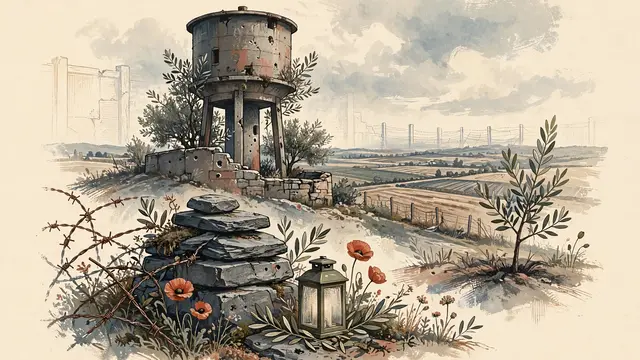
Kibbutzim in the Gaza border region, devastated by the October 7th attacks, are seeking guidance on how to memorialize their losses and process their trauma, turning to the experience of Kibbutz Yad Mordechai, which established community memory institutions after its own battle during the 1948 War of Independence. Alon Dagan, a clinical social worker and member of Yad Mordechai, has become a point of contact for these communities, emphasizing that the process of deciding how to remember is crucial for healing and that external bodies should listen rather than dictate. He contrasts the current trauma with the 1948 battle, noting the element of surprise in the October 7th attack and the lack of preparedness compared to the earlier conflict.
Yad Mordechai, which lost 26 members in 1948, developed a rich memorial tradition, including a museum and a reenactment site, involving artists like sculptor Nathan Rappaport and author Margaret Larkin in documenting their story. Dagan views their work as therapeutic, helping to imbue the loss with meaning and national significance. He also highlights the kibbutz's unique memorial ceremonies, which initially excluded private grief, a practice that has evolved over time to allow for more personal expression of mourning.
Dagan explains that trauma, while devastating, can be addressed through various therapeutic tools, including memorialization and storytelling, which help to process grief and combat the isolation often associated with such experiences. He notes that the trauma of October 7th is compounded by intergenerational loss, with some families having experienced casualties across multiple conflicts. The destruction of memorial sites themselves, like the "Meshu'ot L'Tkumah" museum, further complicates the process.
The article also touches upon the differing approaches to memorialization, citing Kibbutz Nitzanim's decision to surrender in 1948, which led to a long period of perceived shame, contrasting with Yad Mordechai's resistance. Dagan suggests that trauma ultimately compels a confrontation with truth and a choice between confronting the pain or succumbing to fear. He also discusses the recent controversy over the destruction of the "Dor Yotzair" neighborhood in Kibbutz Kfar Aza, where the community's decision to demolish and relocate parts of it as a memorial was initially contested by the state but ultimately upheld by the Supreme Court, reinforcing the community's agency.
Dagan concludes that living with the memory of trauma is an ongoing task that imbues the experience with meaning, emphasizing that life ultimately prevails. He points to Yad Mordechai's resilience and the determination of Gaza border communities to rebuild and memorialize, demonstrating the possibility of continuing to live alongside painful memories.
Read the original at DavarMentioned