
Jerusalem Light Rail Encounter Highlights Societal Tensions
Translated & summarized from Maariv by baba
The story in 5 lines · by baba
- A man on Jerusalem's light rail loudly proclaimed prophecies of disaster.
- His pronouncements angered and frustrated other passengers.
- Passengers expressed their own trauma and lack of empathy.
- The incident occurred shortly before the Sukkot holiday.
- The author reflects on societal tensions and the need for compassion.
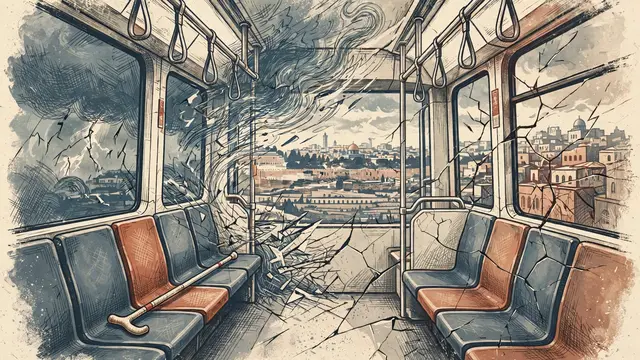
A chance encounter on Jerusalem's light rail train before the Sukkot holiday revealed deep-seated societal tensions and a lack of empathy, according to an opinion piece.
The author describes meeting a man from Philadelphia who, after a turn of fate, became homeless, blind, and mentally unwell. Despite his condition, the man spoke loudly, alternating between English, Hebrew, and Yiddish, uttering dire prophecies of disaster for cities, crops, descendants, and the nation, including defeat, madness, and exile.
His pronouncements initially elicited embarrassment, dismissal, and anger from other passengers. Some called him crazy or told him to shut up, while a young man near the author expressed his own trauma and frustration, questioning why he shouldn't also shout if the unwell man could.
The author intervened, suggesting compassion. The young man retorted that he also deserved compassion, highlighting that "everyone is suffering" and "everyone has trauma here." The author agreed, wishing everyone a good and peaceful year.
Following this exchange, the unwell man fell silent, ceasing his pronouncements. The author reflects that the man's prophecies encompassed a wide range of calamities, from natural disasters to societal collapse and personal suffering. The piece concludes with a brief, seemingly unrelated anecdote about being invited to eat with someone, implying a need for connection amidst the broader societal disconnect.
Read the original at MaarivMentioned
Not the same event — other stories that share this one’s people, places, or theme: background, reactions, and follow-ups.
