
National Insurance Wins Court Battle Against "A. Litman" Infrastructure Firm
Translated & summarized from Ice by baba
The story in 5 lines · by baba
- National Insurance won a court ruling against "A. Litman" over company vehicle use.
- The company must pay hundreds of thousands of shekels in back payments.
- Employees used company cars for private purposes, violating regulations.
- The court rejected the company's reliance on a legal opinion for defense.
- An exception was made for a manager's vehicle used primarily for work.
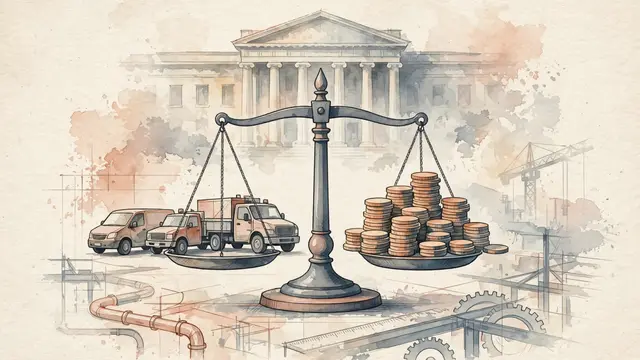
The National Labor Court has ruled in favor of the National Insurance Institute, ordering the infrastructure and electricity company "A. Litman" to pay hundreds of thousands of shekels for vehicles provided to its employees. The court rejected the company's appeal, upholding a lower court's decision that imposed a significant debt. The core of the dispute was the National Insurance Institute's demand for approximately 1.1 million shekels. "A. Litman," which employs about 30 people, argued that the vehicles were solely for operational work purposes. However, the judges determined that employees used the vehicles for private needs as well, and the company failed to implement clear procedures to prevent this. The court also dismissed the company's defense that it relied on a legal opinion, stating that such opinions do not provide protection in tax and civil law matters. Conversely, the judges accepted the company's claim regarding the vehicle used by manager Ronen Litman, after it was proven that this vehicle was primarily used for business purposes. Consequently, the National Insurance Institute will reduce its claim by the amount attributed to the manager's vehicle, and "A. Litman" will be required to pay the updated remaining debt. This ruling serves as a clear warning to all employers regarding their obligation to closely monitor the use of company vehicles.
Read the original at IceThe same event, reported separately by each outlet. Open a few to compare what different newsrooms emphasize — and what they leave out.



Not the same event — other stories that share this one’s people, places, or theme: background, reactions, and follow-ups.