Supreme Court Avoids Ruling on Arab Candidate's Knesset Run
Translated & summarized from Now 14 by baba
The story in 5 lines · by baba
- Knesset candidate Sami Abu Shehadeh withdrew after Supreme Court offered escape.
- Court avoided issuing a precedent-setting ruling on disqualification.
- Critics call the court's offer to Abu Shehadeh unprecedented and shameful.
- Abu Shehadeh is accused of supporting terrorism and opposing Israel's existence.
- The article argues the withdrawal doesn't solve the issue of other problematic candidates.
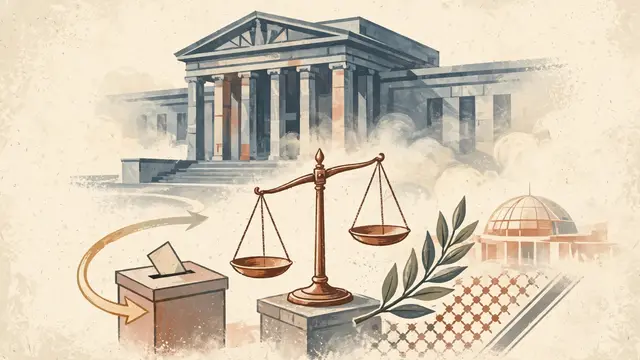
Sami Abu Shehadeh, a candidate for the Knesset, announced his withdrawal from the race on Thursday after the Supreme Court offered him an unprecedented way out. The court suggested he resign to avoid a disqualification ruling, a move that would have set a significant legal precedent. Abu Shehadeh accepted the offer, thereby sparing the court from issuing a potentially controversial judgment.
The article criticizes the court's decision, labeling the offer to Abu Shehadeh as "shameful" and unprecedented, contrasting it with the firm rulings issued against Jewish candidates in the past. It argues that Abu Shehadeh, who has expressed support for terrorism, praised terrorists, justified the October 7th massacre, and actively opposes Israel's existence as a Jewish and democratic state, should have been disqualified based on existing law. The petition against him reportedly included extensive evidence of his statements.
By allowing Abu Shehadeh to withdraw, the court allegedly avoided confronting the issue of disqualifying an Arab candidate, fearing international backlash and future implications for petitions against Arab parties. The author contends this approach constitutes a "cowardly" deal rather than upholding justice and drawing a clear line against support for terrorism within the Knesset.
The article asserts that Abu Shehadeh's withdrawal does not resolve the broader issue, as other Arab parties and lists, such as the Joint List, Balad, Hadash, and Ra'am, also contain members who have made problematic statements, supported terrorists, or refused to condemn Hamas. The court, it suggests, will likely face similar challenges with future petitions against these parties.
Ultimately, the piece concludes that the situation reflects a "sick" democracy, where a Supreme Court justice cannot issue a ruling to disqualify a supporter of terrorism without creating an "escape route" for the candidate, indicating a serious problem with the judicial system's ability to address such matters directly.
Read the original at Now 14The same event, reported separately by each outlet. Open a few to compare what different newsrooms emphasize — and what they leave out.


Not the same event — other stories that share this one’s people, places, or theme: background, reactions, and follow-ups.