
Israel Air Force Scrambles Jets for Potential Hijacking Scenarios
Translated & summarized from Vesty by baba
The story in 5 lines · by baba
- Israeli Air Force scrambled jets for a Flydubai incident, preparing for potential hijacking.
- Jets escort suspect aircraft under a secret order for hijacking scenarios.
- Protocols cover route deviations, communication failures, and distress signals.
- Decision to intercept or shoot down a civilian plane is exceptional.
- The order can be activated for technical or crew issues, not just security threats.
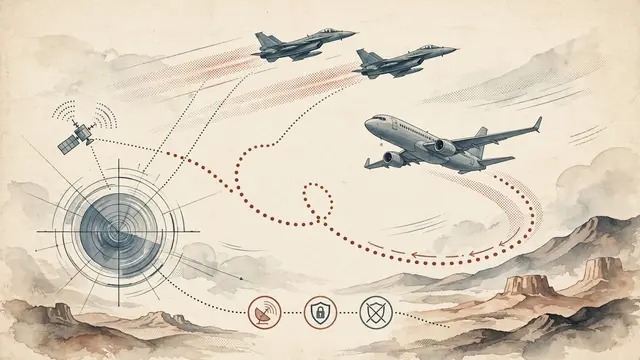
The Israeli Air Force (IAF) scrambled two fighter jets on September 30th in response to an incident aboard a Flydubai passenger plane, preparing for a potential hijacking. The decision to scramble jets is part of a standing order for situations involving possible aircraft hijacking, where fighter jets are deployed to escort the plane until a decision is made. The IAF has established procedures for scenarios where a civilian aircraft heading to Israel deviates from its route, fails to respond to controllers, or transmits a distress signal, including hijacking.
In such cases, fighter jets are dispatched for identification and escort, while the closure of airspace is considered. The jets are authorized to intercept the aircraft if a threat is detected, preventing further danger or damage to strategic sites. The ultimate decision to shoot down a civilian aircraft, though exceptional, can be made after consultation with the defense establishment and political leadership, to avert catastrophic consequences such as mass casualties or severe damage to national security assets.
The IAF emphasizes that activating this specific, undisclosed order does not automatically indicate a security event, as it can be triggered by technical malfunctions, communication issues, route deviations, or crew errors. The military constantly trains for these scenarios, focusing on rapid response and efficient decision-making to identify extraordinary events and deploy appropriate measures. The goal is to quickly assess situations and respond effectively, whether it involves a potential aerial terror attack, a suicide mission, or other emergencies requiring immediate intervention.
Read the original at VestyThe same event, reported separately by each outlet. Open a few to compare what different newsrooms emphasize — and what they leave out.





Not the same event — other stories that share this one’s people, places, or theme: background, reactions, and follow-ups.




