Israel's Protocol for Hijacked Planes Detailed After Flydubai Incident
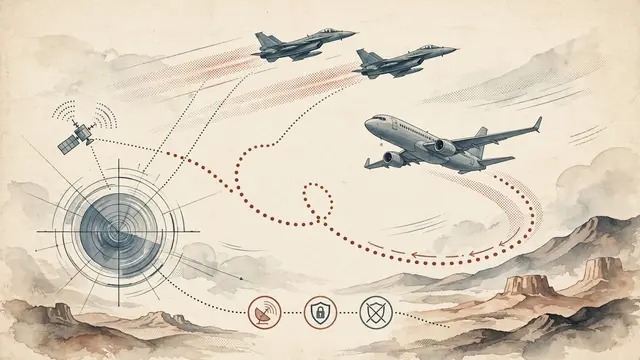
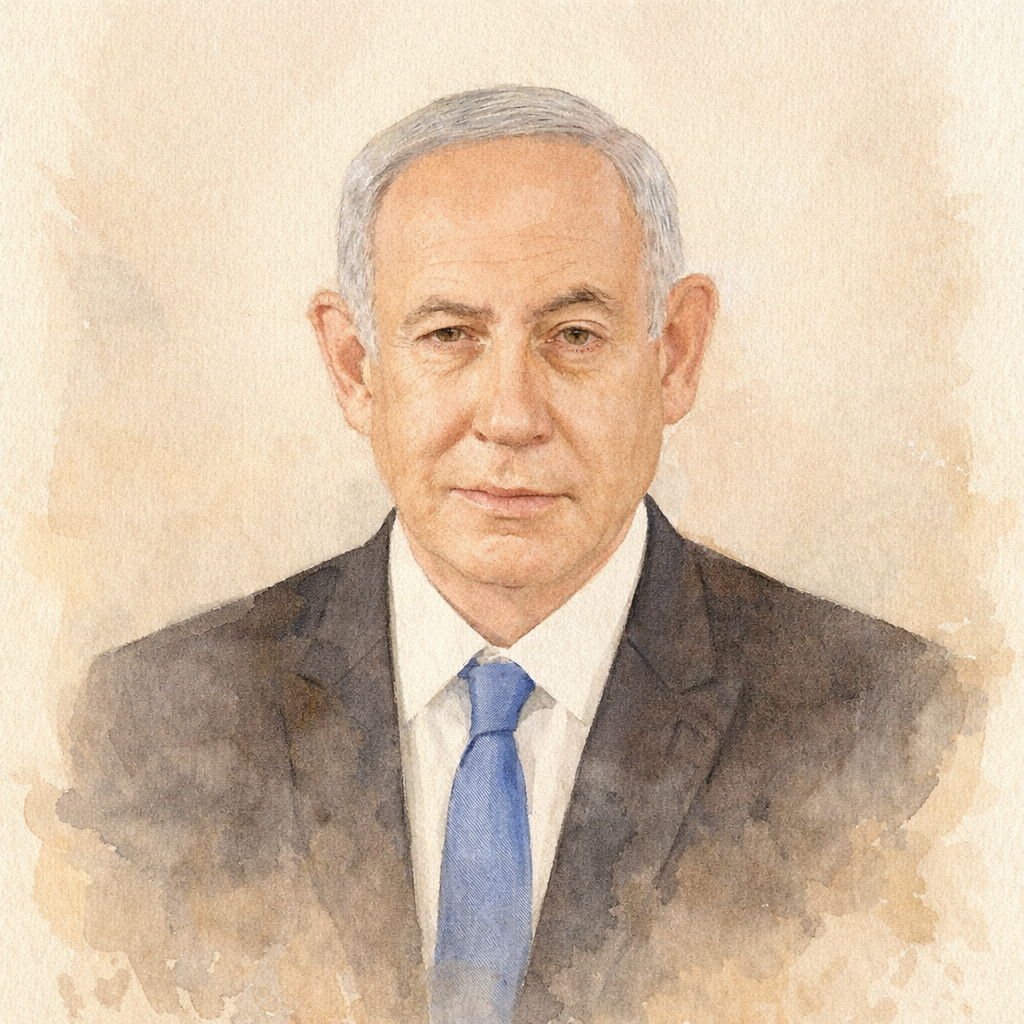
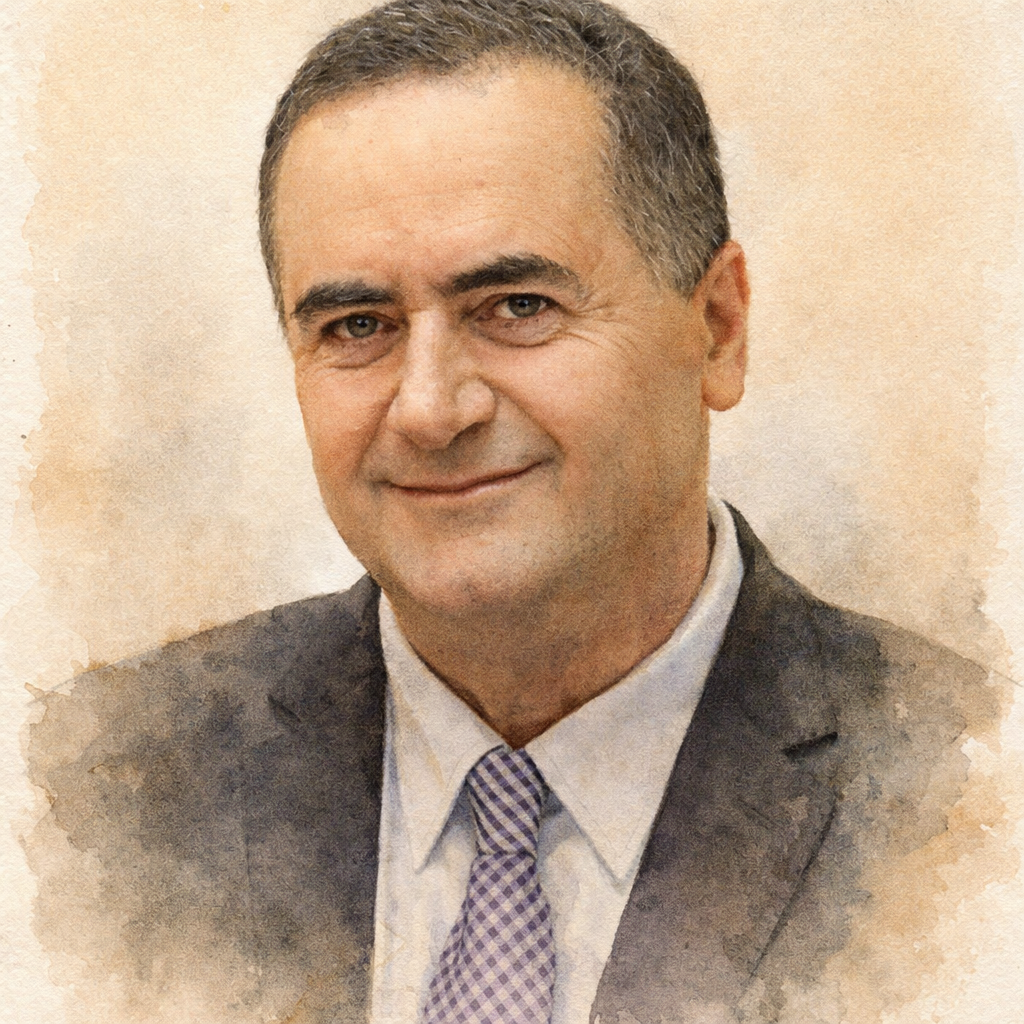
An incident involving a Flydubai flight, diverted to Saudi Arabia with over 170 passengers after one pilot allegedly attempted to crash the plane, has been classified by Israel as a full-fledged terrorist attack. The transmission of a hijack code triggered the scrambling of fighter jets and an urgent consultation between Prime Minister Benjamin Netanyahu and Defense Minister Israel Katz. This activated a classified protocol, practiced by the Israeli Air Force, Shin Bet, and Mossad for over two decades.
The process begins with identification and suspicion when a plane is thousands of kilometers from Israeli borders, potentially due to communication loss, intelligence, or the "code 7500" signal indicating hostile interference. After air traffic control attempts to rule out technical failure, fighter jets are dispatched not to down the passenger plane, but to identify the situation onboard and establish visual contact through agreed-upon signals and flight maneuvers. The entire operation is managed from the Air Force control center in Tel Aviv.
Once a hijacking is confirmed, the Air Force commander closes the airspace. Forces attempt to divert the aircraft away from populated areas while intelligence agencies gather data on the hijackers' intentions. A negotiation team is mobilized. If the hijackers are suspected of planning to use the plane as a weapon, the Chief of Staff, Mossad chief, and Shin Bet chief join the crisis management.
This extreme scenario, termed "Level 3" in the protocol, involves a real threat of the plane crashing into an Israeli target. If efforts to land or divert the plane fail and an immediate threat is assessed, the decision falls to the political leadership. The final decision to intercept the passenger plane in mid-air is typically made by the Prime Minister before it enters Israeli airspace, given the proximity of Jerusalem and the Tel Aviv metropolitan area to the country's borders.
Keep up with
The same event, reported separately by each outlet. Open a few to compare what different newsrooms emphasize — and what they leave out.



Not the same event — other stories that share this one’s people, places, or theme: background, reactions, and follow-ups.