High-Value Defamation Lawsuits Often Serve Media Purposes, Not Legal Ones
Israeli law allows for compensation in defamation cases even without proof of tangible damages, capped at approximately 80,000 shekels (around $21,000 USD) for general cases and 160,000 shekels if malicious intent is proven. Cases filed in small claims courts are limited to 40,000 shekels. However, many high-profile individuals, including politicians and journalists, file lawsuits for millions of shekels, far exceeding these legal limits.
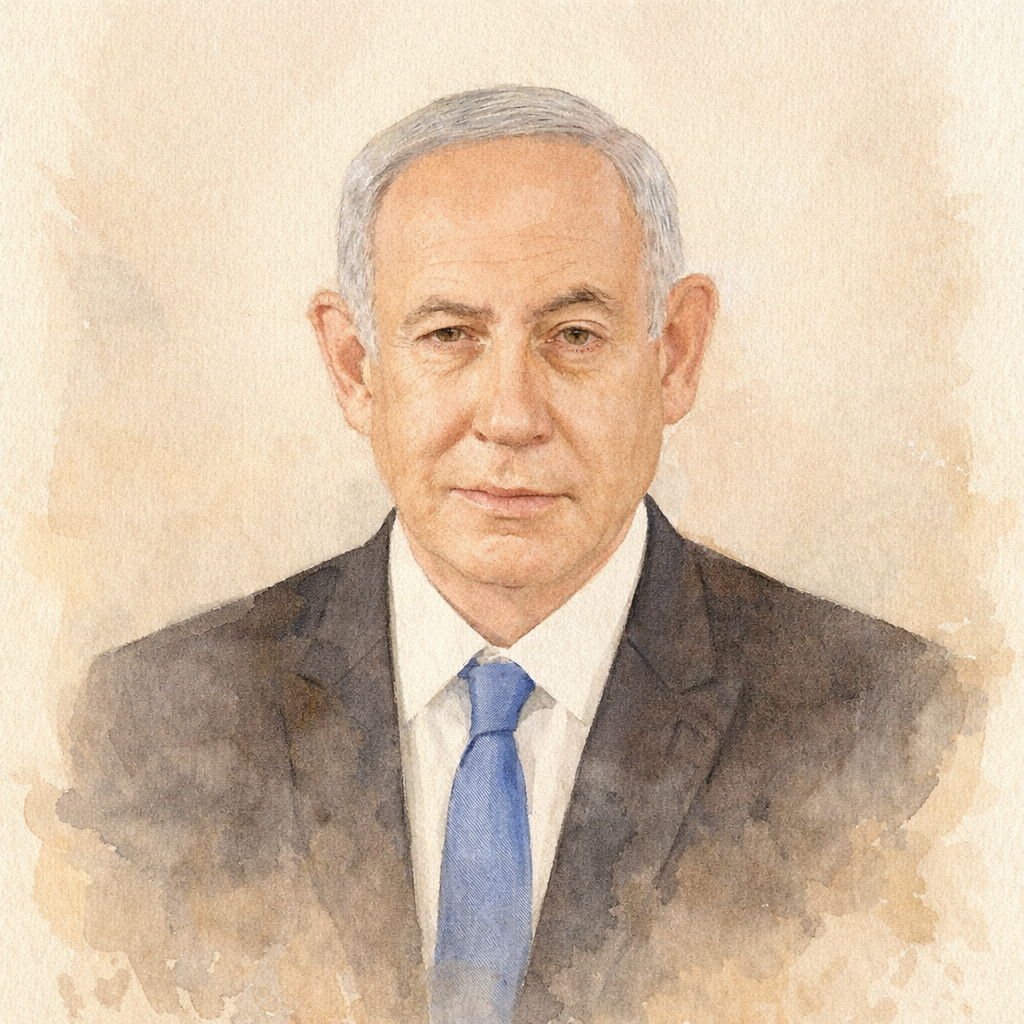
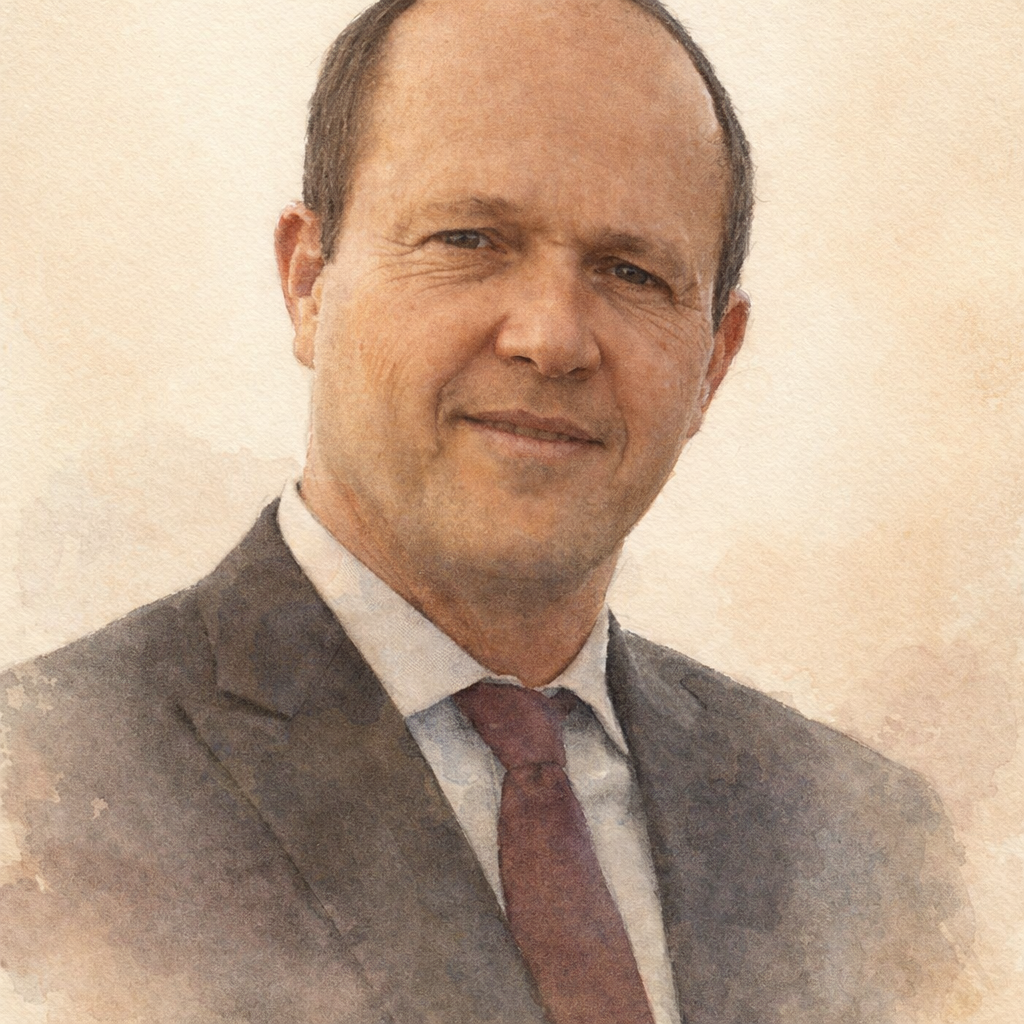
Recent examples include Benjamin Netanyahu suing ten journalists and media outlets for 2.6 million shekels over publications concerning warnings he received before October 7th, and Nir Barkat suing Channel 12 for 12 million shekels. Legal experts suggest these exorbitant claims often serve primarily as a media tactic rather than a genuine legal pursuit, as the law explicitly states a person cannot receive compensation without proving damages more than once for the same defamation.
Legal precedent, notably from Justice Noam Sohlberg, outlines criteria to identify "gagging lawsuits" designed to silence defendants. These include significant power imbalances, baseless claims, excessive compensation demands, and attempts to suppress discussion on matters of public interest. While such lawsuits may not be immediately dismissed, plaintiffs risk substantial legal costs if deemed retaliatory.
When defamation claims are successful, courts typically award amounts based on previous rulings, considering factors like the severity and reach of the defamation, and whether the defendant retracted their statements. Public figures, while sometimes awarded damages, often receive lower sums relative to private citizens due to their public role and greater capacity to respond. The average compensation awarded in such cases is around 28,000 shekels, significantly less than the amounts often claimed.
Keep up with