US Withdrawal From Iraq Leaves Region Vulnerable, Experts Warn
Translated & summarized from Now 14 by baba
The story in 5 lines · by baba
- U.S. forces have fully withdrawn from Iraq.
- Iran-backed militias declared the withdrawal a historic victory.
- Iraq faces increased security vulnerability post-withdrawal.
- A new timeline for militia disarmament has been proposed.
- Kurds are seen as early victims of the U.S. departure.
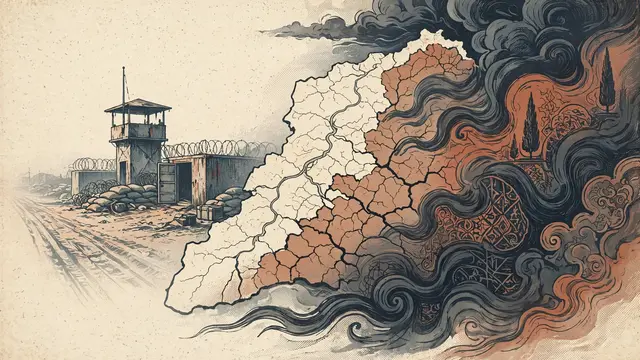
Iraq is celebrating the complete withdrawal of U.S. forces from its territory for the first time since 2014, a move hailed as a "historic victory" by Iran-backed Shiite militias. This departure leaves the country vulnerable to security threats, particularly from these well-armed groups.
The withdrawal appears to be the result of complex negotiations involving Iraqi Prime Minister Ali al-Zaydi, who took office in late April. U.S. President Donald Trump had sought to reduce Iranian influence in Iraq by supporting al-Zaydi, a businessman like himself. The proposed deal involved al-Zaydi disarming pro-Iranian militias in exchange for U.S. investment and economic development.
However, the militias resisted disarmament, demanding the full withdrawal of U.S. military presence first, a condition previously set under the Biden administration. A compromise was reached, aligning the disarmament timeline with the end of the international coalition's mission, originally set for September 30, 2026. Despite this, Iraqi military spokesmen indicated in early September that no definitive date was set for militia disarmament, contradicting the agreement.
Further complicating matters, Iraqi Prime Minister al-Zaydi met with U.S. Secretary of State Antony Blinken at the UN General Assembly, proposing a new plan to regain control over weapons and disarm militias by June 30, 2027. This effectively means U.S. troops will be gone while the Shiite militias, some of which have targeted Israel with drones and missiles, remain active.
The article suggests that the Kurds in Iraq are among the first victims, having had their air defense systems removed by the U.S. This makes them vulnerable to Iranian attacks, a situation potentially exacerbated by the presence of Shiite militias. The author questions how President Trump allowed this scenario to unfold, especially given the rise of ISIS after a previous U.S. withdrawal, while also noting the possibility of undisclosed U.S. military assets remaining in Iraq, citing a report of a secret Israeli base established there in May.
Read the original at Now 14Mentioned
The same event, reported separately by each outlet. Open a few to compare what different newsrooms emphasize — and what they leave out.

Not the same event — other stories that share this one’s people, places, or theme: background, reactions, and follow-ups.