
Iran Threatens US with 'Crushing Blows' Over Hormuz Strait Intervention
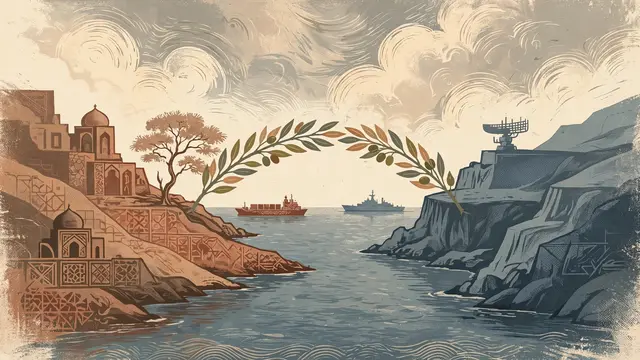
Iran has issued stern warnings against any U.S. interference in the Strait of Hormuz, following President Trump's rejection of a proposed week-long ceasefire. Iranian officials stated that "a decisive response has been determined for every American step," signaling a hardening of their stance.
Sources close to Iran's negotiation team told the Fars news agency that Iran will not yield its interests under pressure and that its recent proposal included a series of reciprocal, phased steps. Iranian Foreign Minister Abbas Araghchi confirmed that Iran's conditions regarding the Strait of Hormuz have been conveyed to the American side through mediators, and they are awaiting a response.
Brigadier General Abolfazl Shekarchi, spokesman for the Iranian Armed Forces, warned that any U.S. attempt to intervene in the Strait of Hormuz would be met with force. He asserted that the U.S. "can only dream of intervening" and would face "blows from the Revolutionary Guards and the Armed Forces." Shekarchi also boasted of Iran's increased military strength, including advanced missiles and drones, and vowed "more crushing blows" if attacked.
Ebrahim Azizi, chairman of the Iranian Parliament's National Security and Foreign Policy Committee, cautioned against miscalculations by Washington, stating that "a decisive response has been determined for every American step, and they will regret it more than ever before." He emphasized Iran's enhanced defensive capabilities and its readiness to deliver a "crushing and destructive response" to any American mistake. Azizi also suggested that Iran would expel remaining U.S. forces from the region and strike the "Zionist entity," implying Israel.
Iranian media outlets have been critical of President Trump, portraying his rejection of Iran's proposal as a sign of instability in the global balance of power rather than American strength. Newspapers like Javan and Mashregh have linked the Hormuz dispute to broader U.S.-China competition and rising oil prices, suggesting that Trump's actions are detrimental to U.S. influence and energy markets.
The same event, reported separately by each outlet. Open a few to compare what different newsrooms emphasize — and what they leave out.












Not the same event — other stories that share this one’s people, places, or theme: background, reactions, and follow-ups.



Ask About This Article
Duki reads it, and every newsroom on the same story, then answers with sources.
How the headlines differ
News Plus
One Event. Different Headlines.
See the words each newsroom chose, with the original headline beside the translation.