
Confusion Over Hormuz Closure as Shipping and Insurance Stay Cautious
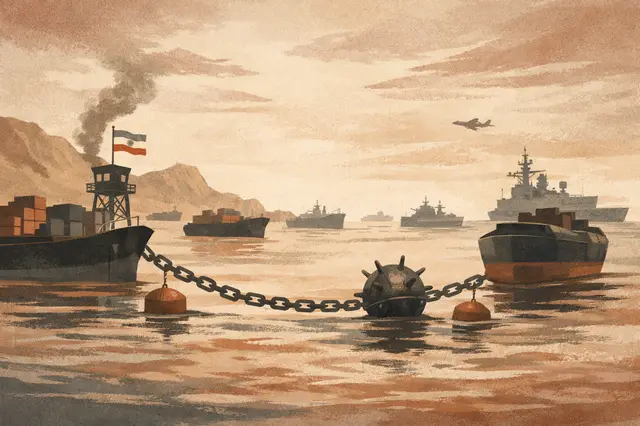
A day after Iran said it had closed the Strait of Hormuz in response to Israeli strikes in Lebanon, uncertainty remains over one of the world’s most important trade routes. Tehran says only Iranian vessels may pass, according to the Iranian news agency WANA, but U.S. officials insist traffic has not stopped. Vice President JD Vance denied the closure on Saturday before leaving for talks with Iran, which are expected to continue in Switzerland.
In practice, most shipping and insurance companies are still avoiding a full return to normal operations, and hundreds, possibly thousands, of ships are waiting in the Persian Gulf until the situation becomes clearer. The U.S. and Iran signed an agreement last week that was meant to include lifting the American blockade on Iran and reopening Hormuz, which has been shut since early March after a joint Israeli-American strike on Iran.
Even if the understandings are implemented, shipping experts say the recovery will take a long time. Hormuz Tracking, which monitors vessel identification signals, says crossings are currently near zero. Some ships leaving the gulf do so at night with their trackers switched off. President Donald Trump said last week that U.S. forces escorted about 200 ships out of the gulf, and Lloyd’s List also reported that vessels continued to pass through Hormuz despite Iranian threats.
Insurance providers still classify the area as high risk and demand very high premiums, or refuse coverage altogether, which is keeping many shipping lines sidelined. The disruption is also hurting oil and gas exports from Gulf states, though oil is still trading around $75 to $80 a barrel, well below wartime peaks. Freighos research chief Yehuda Levin said no one knows how a return to normal will work, and warned that the strait is effectively even narrower now because of fears that Iran mined the main channel.
The same event, reported separately by each outlet. Open a few to compare what different newsrooms emphasize — and what they leave out.








Not the same event — other stories that share this one’s people, places, or theme: background, reactions, and follow-ups.

