
US Federal Reserve Raises Interest Rates, Signaling Inflation Fight
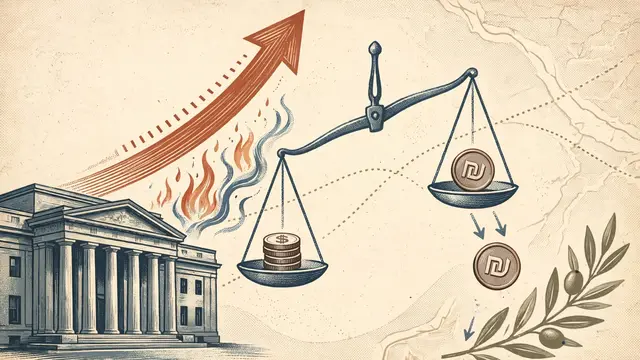
The U.S. Federal Reserve announced a quarter-percentage-point interest rate hike, bringing the benchmark rate to a range of 3.75% to 4.00%. This marks the first increase since 2023 and signifies a policy shift after a period of holding rates steady. The decision was unanimous among committee members, with markets having largely anticipated the move, assigning a high probability to a rate hike.
Several factors contributed to the timing of the decision. Persistent inflation exceeding desired levels, elevated energy prices due to ongoing tensions with Iran, and strong August retail sales figures, which rose 1.2% according to the U.S. Bureau of Labor Statistics, indicated the economy's capacity to absorb a rate increase. Fed Chair Jerome Powell stated at a press conference that the U.S. economy is strengthening, prompting a slight reduction in accommodative policy.
Market analysts interpret this as a clear signal from the new Fed leadership prioritizing inflation control, even at the cost of higher borrowing expenses. While increased rates are expected to make consumer loans like mortgages and car loans more expensive, they should also yield slightly higher returns on savings.
Looking ahead, the Fed's updated projections suggest one more rate hike may occur before the end of the year. Goldman Sachs analysts predict a December increase, noting the Fed is not currently anticipating aggressive tightening and likely skipped an October hike due to its proximity to midterm elections. Ronen Menachem, chief markets economist at Mizrahi Tefahot Bank, adjusted his forecasts, now expecting the year-end rate to be around 4.1% and remain higher than previously projected for the next few years, with no return to the 2.0% target anticipated before 2029.
Despite the rate hike, GDP growth forecasts remain largely unchanged, projected to stay slightly above 2% for the current year and the subsequent three years. Fed Chair Powell, in his August Jackson Hole speech, had already laid the groundwork for this decision, emphasizing that inflation remained too high and that the Fed would act decisively if necessary, basing decisions on current data rather than pre-set commitments.
The rate hike in the U.S. creates a narrower interest rate differential, or potentially a reversal, compared to Israel's current rate of 3.25%. This could exert downward pressure on the Israeli shekel against the dollar and complicate the Bank of Israel's ability to continue its own easing or rate reduction policies.
The same event, reported separately by each outlet. Open a few to compare what different newsrooms emphasize — and what they leave out.





Not the same event — other stories that share this one’s people, places, or theme: background, reactions, and follow-ups.



