US, Allies Push to Refer Iran Nuclear File to UN Security Council

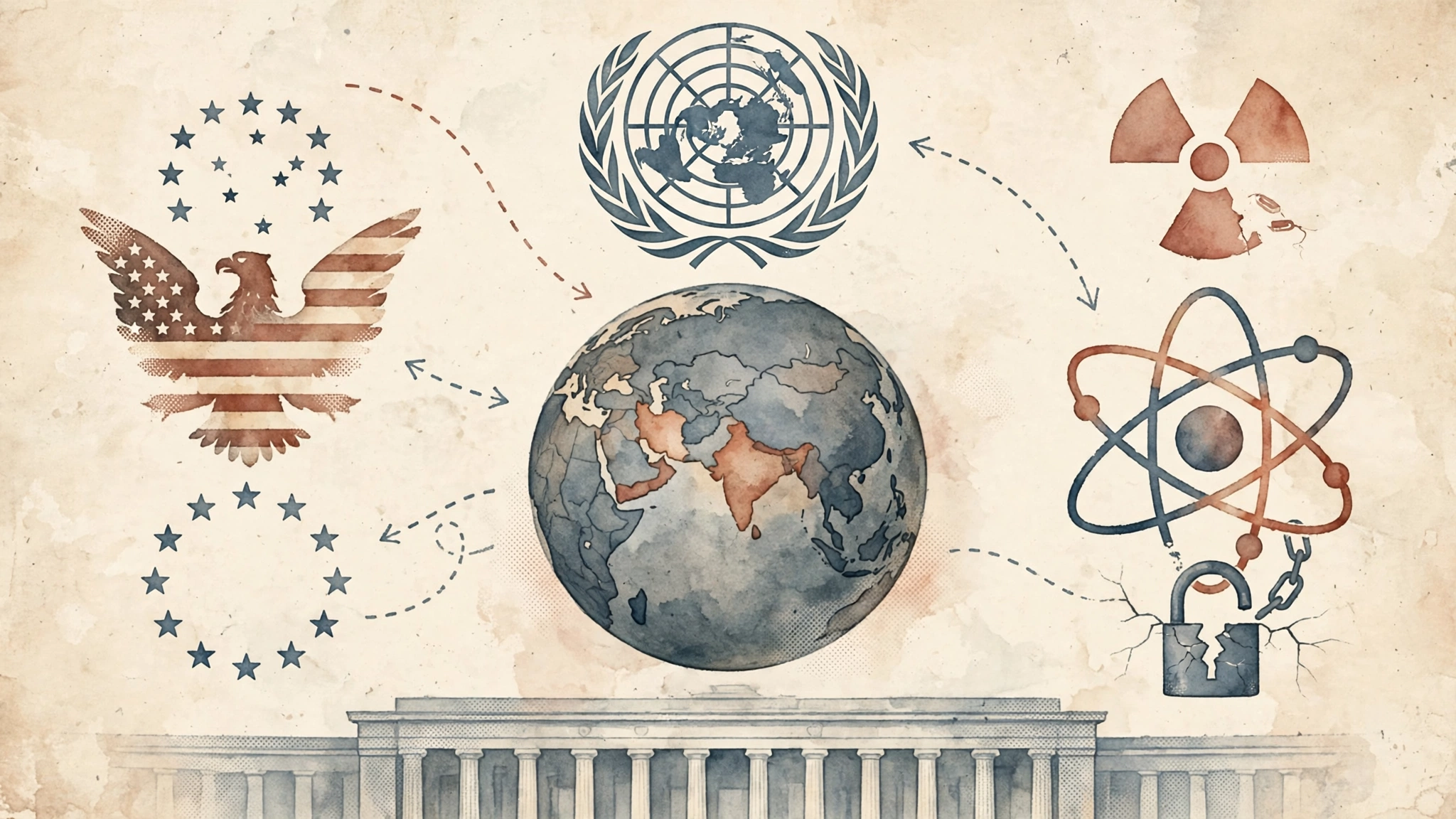
The United States and three European powers, Britain, France, and Germany, are escalating diplomatic pressure on Iran by seeking a resolution at the International Atomic Energy Agency (IAEA) Board of Governors to return Iran's nuclear file to the UN Security Council. This move follows an official IAEA report stating Tehran is refusing to provide information on its declared nuclear materials and facilities, and is blocking inspectors from conducting verification checks.
Iran has rejected these accusations and warned of severe retaliatory measures if the resolution is approved. Iranian Foreign Ministry spokesperson, Ismail Baqaei, criticized European nations for using the IAEA as a political tool and argued that Iran's restrictions on inspectors are a direct result of US and Israeli attacks on its nuclear sites. He stated that demands for access to facilities damaged during the war are illogical.
The core issue is the international community's lack of intelligence and professional oversight. IAEA Director General Rafael Grossi reported to the Board of Governors that Iran has withheld data on its declared materials and sites, preventing inspectors from physical access. Grossi warned that the agency has lost continuity of information regarding its known uranium stockpile, particularly concerning material enriched to 60% purity, raising grave concerns about nuclear proliferation.
Prior to the loss of access, Iran had accumulated 440.9 kilograms of uranium enriched to 60%, a level close to that needed for a nuclear weapon. Without access or reliable reporting, the IAEA has no current, verified picture of this stockpile's location or status. This crisis is part of an escalation that began in June 2025 when the IAEA Board of Governors determined Iran was not meeting its non-proliferation commitments, an unprecedented finding in two decades. Subsequently, following attacks on several nuclear facilities during the conflict with Israel and the US, verification checks were halted for safety reasons, leading the IAEA to withdraw its inspectors. Iran then enacted a law in early July 2025 officially suspending cooperation with the IAEA.
The draft resolution calls on Iran to urgently rectify its non-compliance and immediately allow necessary inspections to ensure nuclear materials are not diverted for military purposes. While the resolution leaves room for negotiation and emphasizes support for a diplomatic solution, its referral to the UN Security Council could grant that body broader enforcement and punitive powers than the IAEA. However, any action in the Security Council would likely face vetoes from Russia and China. The Western strategy aims to impose political costs on Tehran for blocking inspectors while keeping diplomatic channels open.
The same event, reported separately by each outlet. Open a few to compare what different newsrooms emphasize — and what they leave out.

Not the same event — other stories that share this one’s people, places, or theme: background, reactions, and follow-ups.