Jordan Navigates Tight Spot Amid Iran Threats, US Alliance

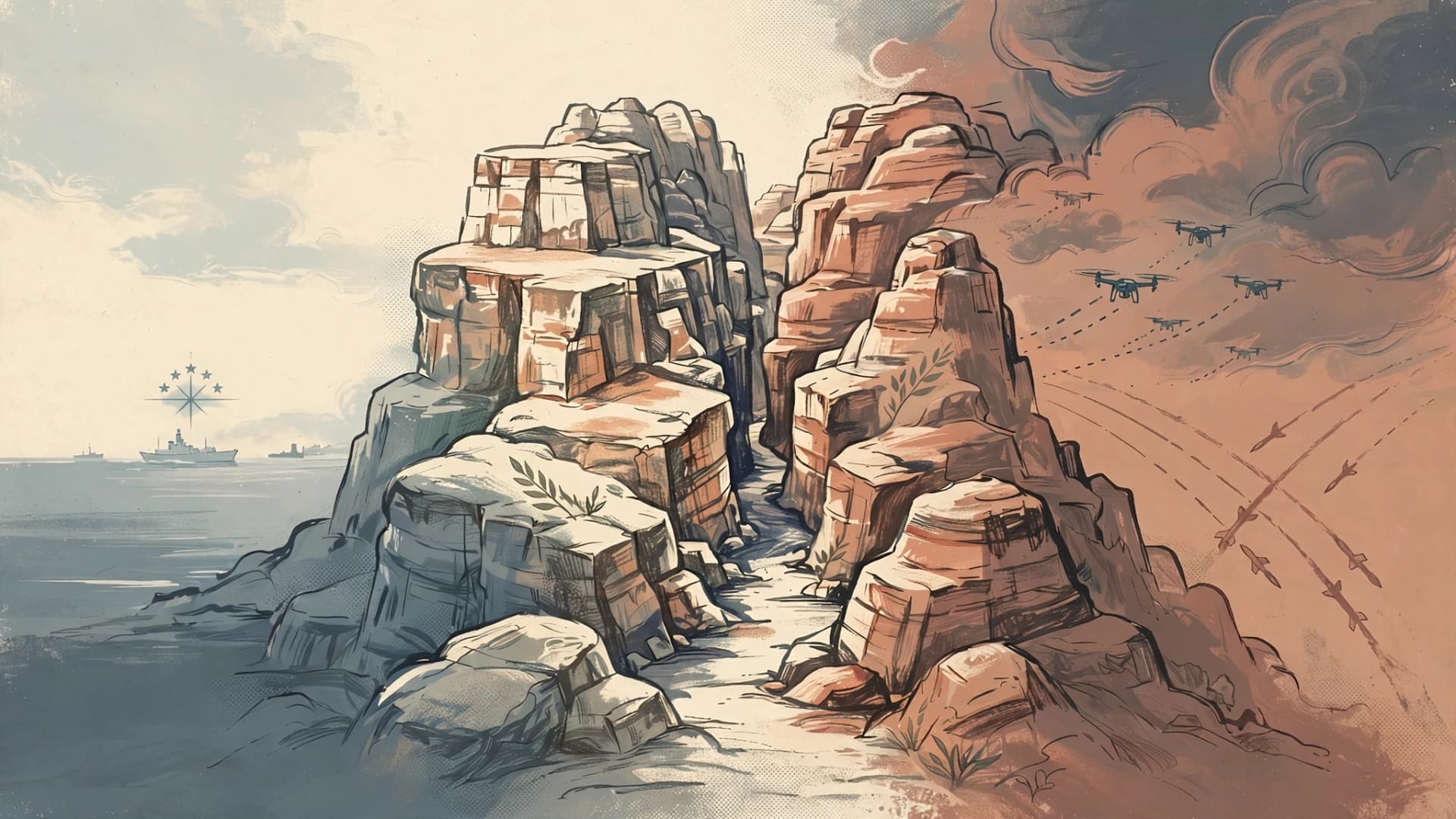
Jordan finds itself in a precarious position amid escalating regional tensions, facing repeated Iranian missile and drone attacks while striving to maintain its close security alliance with the United States and avoid direct confrontation with Tehran. Israeli media reports indicate that despite these attacks, Jordan has largely opted for a cautious political stance and refrained from military retaliation, fearing an expansion of the conflict and the transformation of its territory into a battlefield.
This policy is linked to the robust security and strategic relationship between Jordan and the U.S., which has deepened significantly since King Abdullah II ascended the throne in 1999. According to Israeli media citing a 2021 security cooperation agreement, U.S. forces have access to approximately 12 military facilities across Jordan. David Schenker, a fellow at the Washington Institute for Near East Policy, noted that the Muwaffaq Salti Air Base became a major logistical hub for U.S. aircraft prior to the conflict with Iran. Schenker suggests that Jordan's geographical location provides the U.S. with crucial strategic depth but simultaneously makes the Kingdom vulnerable to Iranian targeting, which could be aimed not just at U.S. forces but also at Jordan's sovereignty and its leadership.
While Jordan views its alliance with the U.S. as a cornerstone of its security, particularly given increasing regional threats, the presence of American military assets also makes it a potential target for Iran. Schenker highlighted Jordan's strategic importance for U.S. operations against Iran, emphasizing that attacks on Jordan could be interpreted as targeting King Abdullah and the Jordanian state itself.
Jordanian concerns extend beyond direct missile and drone strikes. Experts suggest that Iranian support for militias in Iraq and Palestinian factions, along with drug and arms smuggling networks operating through Syria, pose a direct threat to Jordan's stability. This complex relationship with Iran exists even without direct military confrontation.
Recently, Jordan's tone has shifted. Foreign Minister Ayman Safadi explicitly stated that Iran is attacking Jordan and other regional nations, noting these attacks began shortly after the current war erupted, despite Jordan's efforts to prevent escalation. Safadi affirmed Jordan's right to self-defense and its security cooperation with the U.S., while also expressing a desire for good relations with Iran, contingent on Tehran addressing the root causes of tension, including alleged support for smuggling and destabilization efforts.
Iran's Foreign Minister, Abbas Araghchi, responded critically to Safadi's remarks, questioning Iran's need to tolerate attacks and accusing the U.S. of using regional airspace and territory for its operations. The Jordanian military reported intercepting 13 Iranian ballistic missiles on September 2nd, with three falling in unpopulated areas, and eight others on August 31st, all before reaching populated areas or causing damage. Israeli media concludes that Jordan's restraint stems not from an inability to respond, but from the potentially greater cost of direct confrontation compared to maintaining its current policy of measured self-defense.
The same event, reported separately by each outlet. Open a few to compare what different newsrooms emphasize — and what they leave out.



Not the same event — other stories that share this one’s people, places, or theme: background, reactions, and follow-ups.