
US Joint Chiefs Chair Seeks Quiet Exit Strategy from Iran Conflict
General Dan McKenzie, Chairman of the US Joint Chiefs of Staff, has been quietly working in recent weeks to find a way to end the escalating conflict with Iran. According to a CNN report published overnight between Friday and Saturday, McKenzie has expressed in private talks with President Donald Trump's close advisers that Washington must identify an exit path from the confrontation with Tehran. He warned that military escalation options risk backfiring and described the situation as "looking for a ladder to climb down from."
McKenzie is not alone in his concerns; he has discussed the risks with other senior officials including Secretary of State Marco Rubio, CIA Director John Ratcliffe, and Vice President Mike Pence. Together, they aim to present a unified front to Trump, highlighting the dangers and limitations of intensifying military pressure. The Pentagon's main worry is that airstrikes, Trump's preferred method due to his reluctance to deploy ground troops, are unlikely to compel the Iranian regime to capitulate.
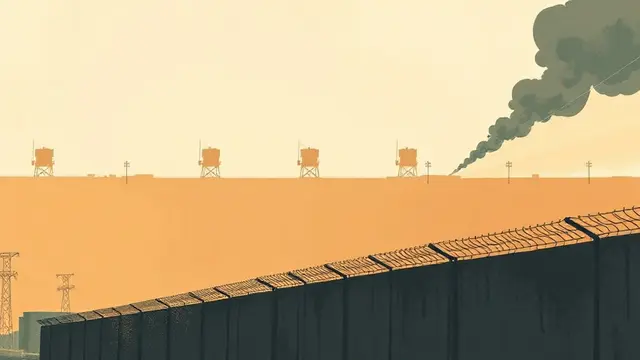
Trump has consistently opposed sending ground forces to Iran, instead signaling confidence that airstrikes alone could force Iran to accept a deal on his terms. However, McKenzie and other cabinet members privately argue that such an outcome is improbable. Meanwhile, on the Israeli front, IDF forces conducted searches near Zikim following reports of a cut in the border fence, but no suspects were found and the timing of the breach remains unclear. The situation has since returned to normal.
This development underscores the complexity and high stakes of the US-Iran confrontation, with top military and political leaders urging caution and seeking a strategic exit to avoid further escalation.
The same event, reported separately by each outlet. Open a few to compare what different newsrooms emphasize — and what they leave out.





Not the same event — other stories that share this one’s people, places, or theme: background, reactions, and follow-ups.


