
Iran expert warns the postwar outcome could strengthen Tehran
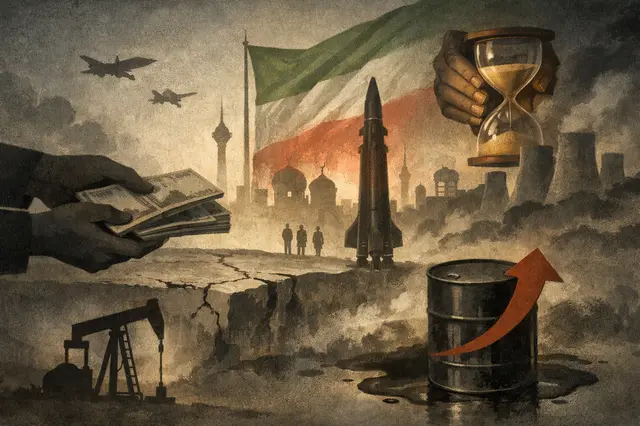
Danny Citrinowicz, an Iran researcher at the Institute for National Security Studies (INSS), said in a morning interview on 103FM that the current campaign could end in the opposite result from what Israel hoped for. He argued that the regime Israel wanted to topple may ultimately emerge stronger, and warned that Israel could be left with a very bad deal that strengthens Tehran while the enriched uranium is neither diluted nor actually removed from Iran.
Citrinowicz said he doubts a renewed popular uprising against Iran’s leadership is likely in the near term. In his view, the conflict has instead created a rally-around-the-flag effect inside Iranian society, and the expected economic relief from the emerging understandings would improve the regime’s standing with the public. Because the war has strengthened the forces in Israel that seek regime change, he said he sees little chance that Iranian citizens will take to the streets to protest soon.
He said the emerging agreement is expected to significantly improve the Islamic Revolutionary Guard Corps’ finances through three main channels. First, Iran would be able to collect fees described as tolls or environmental protection charges for opening the Straits. Second, it would gain access to frozen funds, most of them held in Qatar. Third, it would receive formal permission to sell oil, after years of heavy U.S. sanctions.
Citrinowicz warned that these steps could have broad consequences for the stability of the Iranian regime and its ability to build power. He noted that Tehran was already under severe economic strain before the campaign, and said the deal would give it a major lifeline, helping it repair its position with the public, bolster military strength, and especially advance missile development and production. On the operational side, he said cooperation between the IDF and CENTCOM is significant and strategically deep, and he suggested some U.S. forces may remain in the region after a deal because the coordination has been exceptional. He concluded that if the agreement eventually resolves the nuclear issue, freezes the program for a long period, and removes the enriched material, it would at least address what he called Israel’s central and only existential threat.
The same event, reported separately by each outlet. Open a few to compare what different newsrooms emphasize — and what they leave out.


Not the same event — other stories that share this one’s people, places, or theme: background, reactions, and follow-ups.


