
Israel Worries U.S.-Iran Deal Could Restrict Its Freedom of Action in Lebanon
At a White House briefing ahead of the G7 summit in France, administration officials struck a similar tone. One senior U.S. official told Walla, “We think we have a deal with Iran,” calling it a “strong agreement.” According to the official, Iran would have to reopen the Strait of Hormuz without payment, while the United States would lift the naval blockade. A further stage would include clearing mines from the strait, potentially with help from G7 countries including Britain and France.
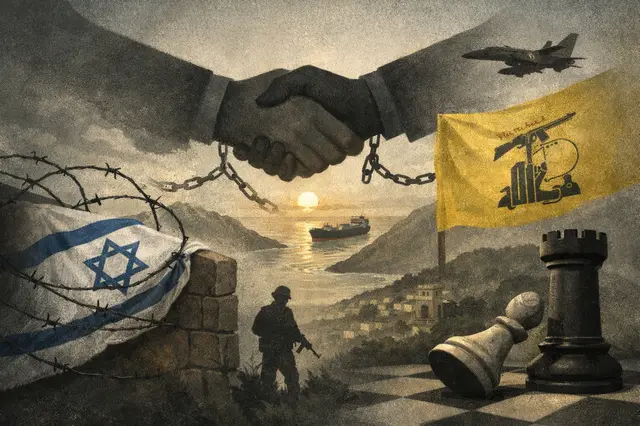
In Israel, however, the central concern is not the nuclear clause or the shipping lane, but the deal’s implications for Lebanon and Israel’s freedom to operate against Hezbollah. Israeli officials fear Tehran will try to present the agreement as a broader regional understanding that also binds Israel in Lebanon, not just a nuclear and maritime arrangement. From Iran’s perspective, as reflected in its messaging, ending the conflict should cover all fronts, including Lebanon.
Israeli officials say that could mean a demand to stop Israeli military activity against Hezbollah and withdraw from areas Israel still holds in southern Lebanon. Israel does not oppose in principle an agreement that blocks Iran from getting nuclear weapons, opens the strait, and addresses Iran’s nuclear capabilities, but it insists on preserving its operational freedom as long as Hezbollah retains military power threatening northern Israel. The core dispute is Iran’s demand for a full Israeli withdrawal from Lebanon, which Israel rejects. Israel currently holds several posts in southern Lebanon after advancing during the war and in developments following the April ceasefire.
According to people familiar with the matter, Washington would prefer Israel to pull back at least to a more limited line, but Jerusalem is refusing any withdrawal it sees as harming northern security or rewarding Hezbollah. U.S. officials are trying to balance both sides, saying that while Israel’s right to self-defense cannot be denied, a Hezbollah attack or continued Iranian funding of the group would not require Israel to stand down. For Trump, the deal would be a major diplomatic win ahead of the G7, with a possible drop in oil prices and a declared end to Iran’s nuclear threat. In Israel, the key question is what happens after the signing, when Hezbollah tests the deal’s limits in southern Lebanon.
The same event, reported separately by each outlet. Open a few to compare what different newsrooms emphasize — and what they leave out.




Not the same event — other stories that share this one’s people, places, or theme: background, reactions, and follow-ups.

