
Spain Regains Control of Ceuta Border Amid Political Turmoil and Accusations
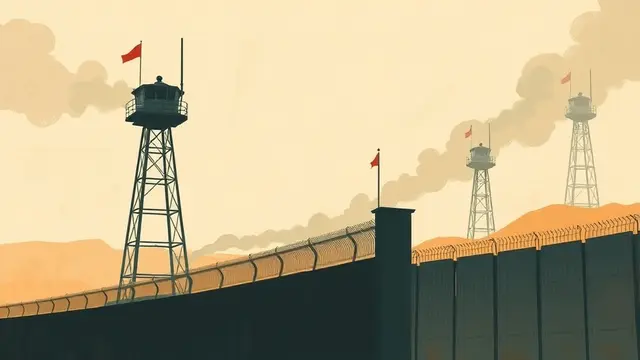
Spain is working to restore normalcy after an unprecedented migration crisis in the Spanish enclave of Ceuta, where tens of thousands of Moroccan migrants crossed the border. The government, led by Prime Minister Pedro Sánchez, claims to have regained control of the border within 48 hours, with most migrants either returned or voluntarily leaving. Security forces remain deployed, including a new maritime blockade, to prevent further influxes. However, the crisis has sparked intense political backlash domestically and across Europe. The right-wing Popular Party and far-right Vox blame the government for poor border management and lack of preparedness, while local residents warn the crisis exposed Ceuta's vulnerability and dependence on cooperation with Morocco.
The situation also strained relations within the European Union. Italy temporarily reinstated border checks on travelers from Spain, and other countries called for a review of Spain's border policies. European Commission President Ursula von der Leyen expressed support for Spain, emphasizing EU solidarity. Sánchez criticized unilateral measures by other states as selfish and politically motivated.
The crisis took a new turn when Israel became a subject of speculation in Spanish political discourse. Some left-wing Spanish politicians and public figures suggested Israel might be trying to destabilize Sánchez's government due to its pro-Palestinian stance and criticism of Jerusalem. These claims arose after Israeli UN Ambassador Danny Danon harshly criticized Spain's handling of the crisis and referred to Ceuta and Melilla as "colonial enclaves in Africa," provoking political uproar. Spanish Transport Minister Óscar Puente hinted at foreign interference without naming Israel explicitly, fueling social media speculation.
Despite these allegations, no evidence has been presented linking Israel to the migration wave, and the Spanish government has not officially accused Israel of involvement. International fact-checkers and media have found no factual basis for such claims. The official Spanish explanation attributes the crisis to smuggling networks, misinformation spread on social media, and ongoing pressure on the Morocco border. Prominent Spanish actor Javier Bardem, a vocal critic of Israel, shared posts suggesting Israel and the far right benefit politically from the crisis, though he provided no independent evidence.
The episode highlights the complex interplay of migration, domestic politics, and international relations affecting Spain, the EU, and beyond.
The same event, reported separately by each outlet. Open a few to compare what different newsrooms emphasize — and what they leave out.



Not the same event — other stories that share this one’s people, places, or theme: background, reactions, and follow-ups.

