
US Intelligence Warns Iran's New Supreme Leader Pushes Nuclear Weapons Development
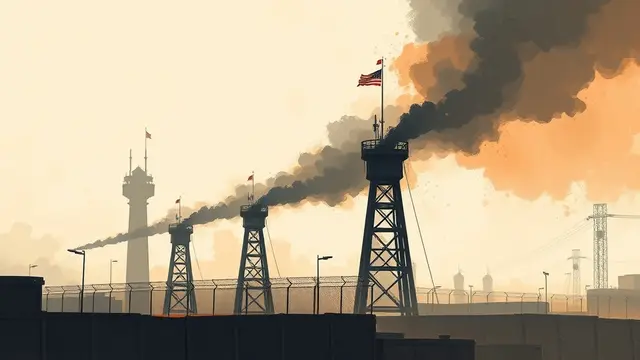
On Friday, US President Donald Trump convened an emergency meeting with senior advisors and cabinet members to decide whether to escalate military actions against Iran. This discussion followed the collapse of a ceasefire and memorandum aimed at resuming negotiations between Washington and Tehran, amid recent statements by Trump hinting at intensified strikes.
Central to the administration's considerations is a new US intelligence assessment, reported by The New York Times, indicating that Iran's new Supreme Leader, Ayatollah Mojtaba Khamenei, is more committed than his father, Ali Khamenei, to advancing nuclear weapons development. Unlike his predecessor, who publicly opposed nuclear arms and issued a religious decree banning their use, Mojtaba has not made public calls for a bomb but is believed by US agencies to support developing advanced thermonuclear warheads deployable on long-range missiles.
The intelligence suggests Mojtaba's government, formed after the elimination of many regime leaders, is more hardline and aggressive, including efforts to expand control over the Strait of Hormuz. While there is no current evidence that Iran has resumed uranium enrichment or full nuclear program activities, Tehran has moved centrifuges to a fortified underground site known as "Mount Qom" to protect them from airstrikes. This site was not targeted in US strikes in June 2025 and is considered well-protected against conventional bombs.
Despite the damage to other nuclear facilities, Iran has preserved its enriched uranium stockpile, which remains accessible for weaponization. US intelligence estimates that if Iran resumed enrichment immediately, it would face a delay of about six months before producing a bomb. However, the ongoing conflict and US support for Saudi enrichment capabilities may increase Iran's incentive to develop nuclear weapons as a deterrent.
Experts warn that military pressure could reinforce Tehran's belief that only a nuclear arsenal can prevent future US or Israeli attacks. Within Iran, voices advocating for a nuclear bomb to guarantee national security have gained strength since the war began. Trump has also threatened to strike the Mount Qom facility, calling it a "possible target for a big, fat hit," though he acknowledged no current nuclear activity there.
The US administration is weighing this intelligence in deciding whether to broaden its military campaign against Iran, balancing the risk that escalation might accelerate Iran's nuclear ambitions.
The same event, reported separately by each outlet. Open a few to compare what different newsrooms emphasize — and what they leave out.


Not the same event — other stories that share this one’s people, places, or theme: background, reactions, and follow-ups.


