
US and Iran Agree to Halt Mutual Attacks in Strait of Hormuz and Meet in Doha
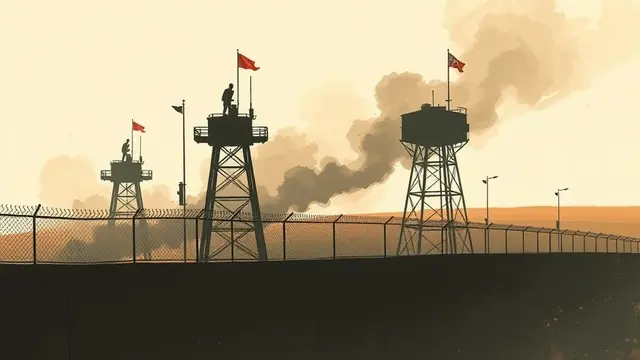
The United States and Iran have agreed to cease their reciprocal attacks in the Strait of Hormuz and to hold a negotiation meeting in Doha on Tuesday, according to two senior American officials speaking to N12 on June 28, 2026. This development follows renewed clashes triggered by conflicting interpretations of a recently signed memorandum of understanding (MOU) aimed at ending hostilities. The officials confirmed that technical talks will continue across all areas covered by the MOU, with both sides refraining from offensive actions and allowing free movement of vessels through the strategic waterway.
The agreement comes just 11 days after the US and Iran signed the MOU to end their conflict, which was nearly derailed by fresh attacks and threats from then-President Trump to resume hostilities. A key point of contention has been the terms governing passage through the Strait of Hormuz, a vital maritime chokepoint. Under the MOU, Iran committed to facilitating safe passage for commercial ships, while the US agreed to lift its blockade on Iranian ports.
During negotiations held last week in Switzerland, led by US Vice President and Iranian Foreign Minister, both parties agreed to establish a "hotline" between the US military and Iran's Islamic Revolutionary Guard Corps to coordinate ship movements in the strait. However, as of June 26, the hotline was not yet operational, and Iran insisted that vessels must coordinate their transit in advance.
Originally, the upcoming meeting was planned for Switzerland to discuss Iran's nuclear program, but the recent escalation shifted the venue to Doha, Qatar, focusing on resolving the Hormuz dispute. The US technical team will be headed by Nick Stewart, who is expected to participate in the talks. This diplomatic effort aims to stabilize the region and prevent further military confrontations in the critical maritime corridor.
The same event, reported separately by each outlet. Open a few to compare what different newsrooms emphasize — and what they leave out.









Not the same event — other stories that share this one’s people, places, or theme: background, reactions, and follow-ups.


Ask About This Article
Duki reads it, and every newsroom on the same story, then answers with sources.