
Netanyahu Calls for National Unity Government Amid Criticism from Gadi Eizenkot
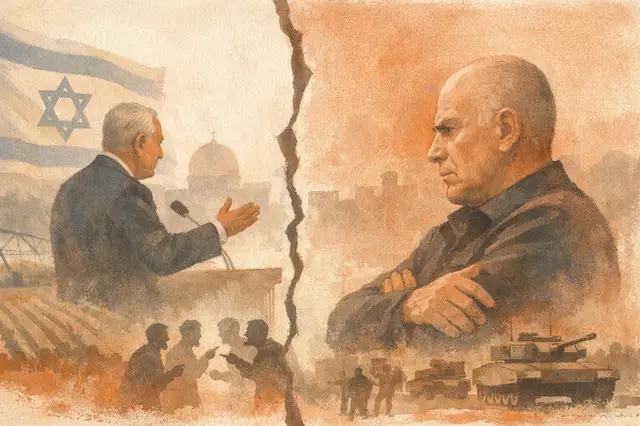
Ahead of the 2026 elections, Israeli Prime Minister Benjamin Netanyahu publicly urged the formation of a broad national unity government, emphasizing an end to political boycotts and divisions within the country. In his recent press conference, Netanyahu extended a hand to political rivals, calling for cooperation to address Israel’s pressing challenges.
However, former IDF Chief of Staff Gadi Eizenkot responded with a provocative rejection, revealing deep political rifts. Eizenkot has been criticized for favoring Arab political figures such as Mansour Abbas and Ahmad Tibi, as well as left-wing leaders like Yair Golan, over right-wing and state-security aligned politicians. This stance drew sharp rebuke from Netanyahu’s camp and commentators who see Eizenkot’s position as undermining national unity.
Simultaneously, Israel achieved a significant diplomatic breakthrough in Lebanon with full backing from U.S. leaders including former President Donald Trump and Senator Marco Rubio. An agreement was reached that allows the Israeli Defense Forces to remain in southern Lebanon with the Lebanese government’s consent, marking a historic shift in regional relations. This arrangement aims to jointly counter Hezbollah, which both Israel and Lebanon recognize as a hostile entity undermining Lebanese sovereignty.
Despite the importance of this development, mainstream Israeli media largely ignored Netanyahu’s press conference and the announcement, allegedly to avoid promoting a narrative favorable to him. The agreement is seen as a strategic victory that enhances Israel’s security and counters Iranian influence in Lebanon, while also setting a precedent for reducing armed threats in Gaza.
Political analyst Yaakov Bardugo highlighted these points on Channel 14, stressing the contrast between Netanyahu’s outreach for unity and the divisive responses from some political figures and media outlets. The upcoming elections will test whether this call for national cohesion can overcome entrenched political divides.
The same event, reported separately by each outlet. Open a few to compare what different newsrooms emphasize — and what they leave out.







Not the same event — other stories that share this one’s people, places, or theme: background, reactions, and follow-ups.


Ask About This Article
Duki reads it, and every newsroom on the same story, then answers with sources.