Oman Signals Hormuz Will Not Return to Prewar Status as Gulf States Reassess Iran

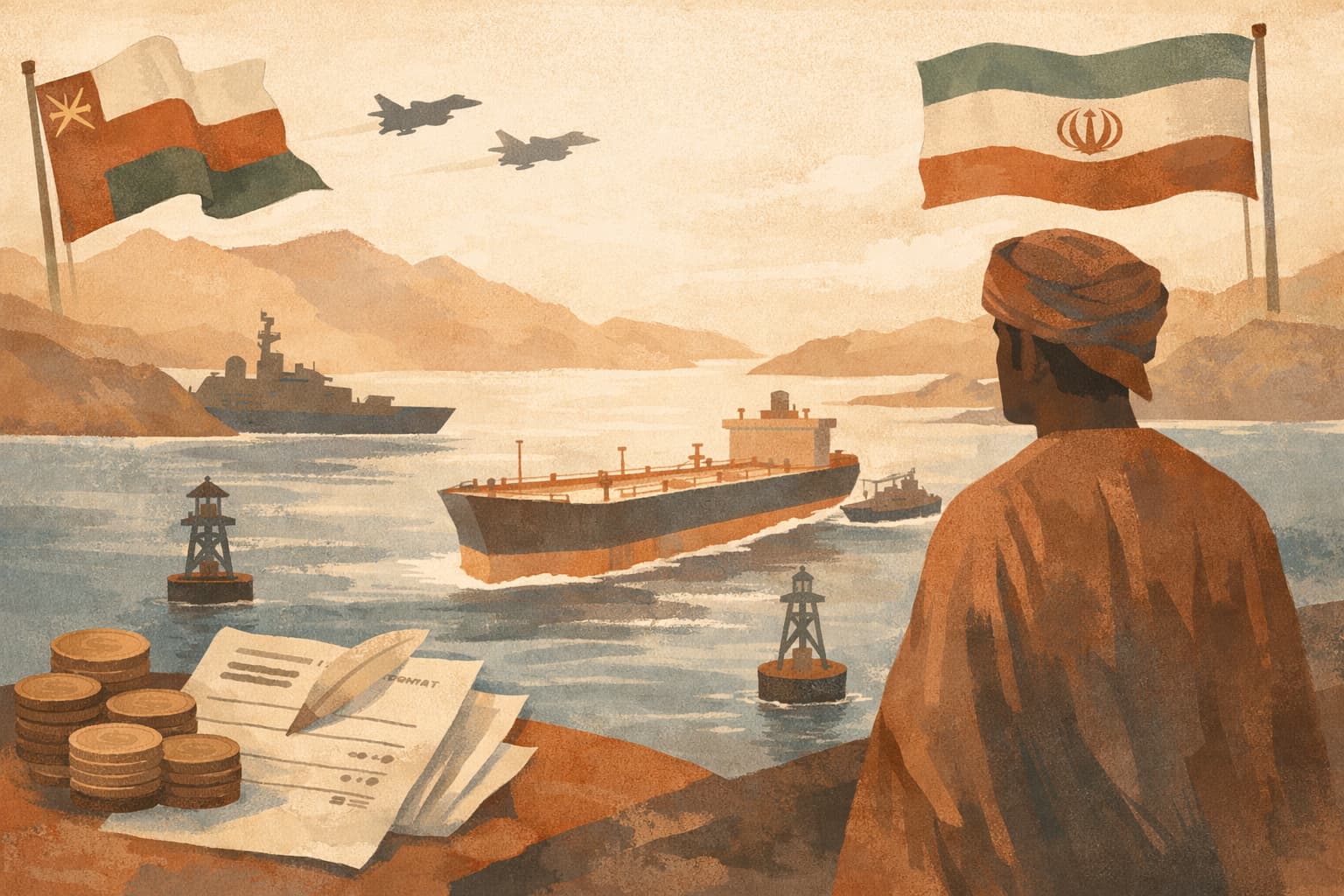
Oman has told European officials that the Strait of Hormuz cannot simply return to the prewar arrangement, Bloomberg reported Friday, citing people familiar with the matter. Omani officials said Muscat would continue to respect international maritime law, but they may charge for services such as pollution response or navigation assistance. It is still unclear whether Oman means all such fees would be mandatory.
According to the report, Oman is studying transit models used in strategic waterways around the world, including the Strait of Malacca, where ships do not pay compulsory passage fees. The concern in Washington, Europe and among Gulf neighbors is that Oman could move together with Iran toward a toll or passage-payment system in Hormuz. The United States, Oman and other Gulf states have repeatedly said the strait should remain open without fees.
Oman is in a delicate position because it is a U.S. ally that also maintains close ties with Iran. Because of its neutral approach to regional conflicts, it is often called the “Switzerland of the Middle East,” and before the war it served as a mediator between Washington and Tehran. Its recent messages have been contradictory, on Tuesday issuing a joint statement with Iran saying the two countries would discuss managing the shipping lane and the costs involved, then two days later signing a statement with the U.S. and the Gulf Cooperation Council rejecting “all fees, levies or attempts to control the strait.”
The article also describes a broader Gulf reassessment after the war with Iran. States that had watched regional conflicts from a distance saw their own cities and U.S. bases become targets for thousands of Iranian missiles and drones. More than 30 people were killed and dozens wounded, even though most projectiles were intercepted. Analysts told the New York Times that the conflict left a deep scar, accelerated military spending and exposed the region’s vulnerabilities. Some Gulf voices now warn that the region has become a “Wild West,” while Saudi commentator Abdulrahman al-Rashed wrote that a U.S.-Iran deal restores Tehran to great-power status and could make Iran even more dangerous.
The same event, reported separately by each outlet. Open a few to compare what different newsrooms emphasize — and what they leave out.

Not the same event — other stories that share this one’s people, places, or theme: background, reactions, and follow-ups.



