China Tops Global Supercomputing Rankings in Blow to the U.S.

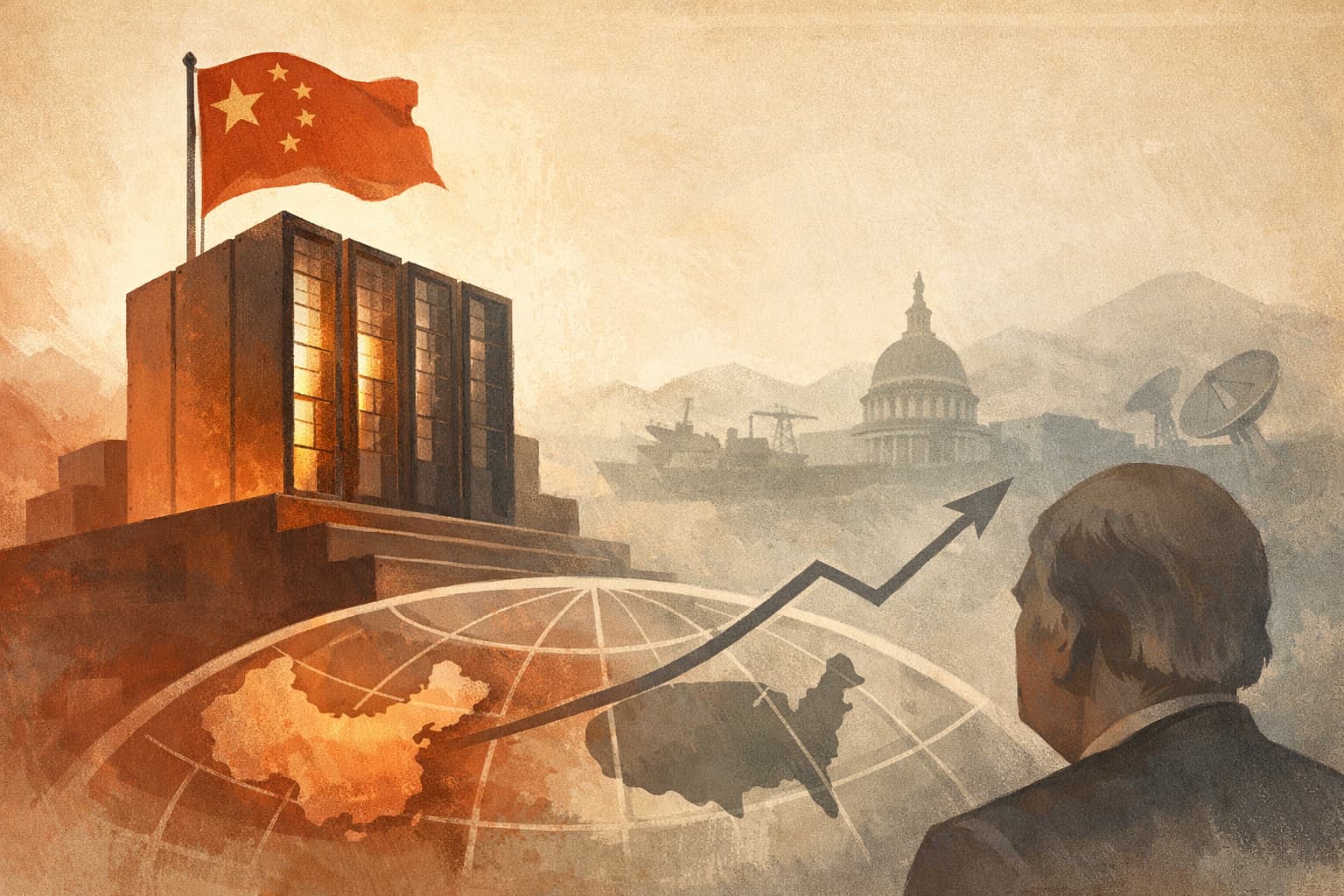
China has retaken the top spot in the global supercomputer race for the first time since 2017, after unveiling a new system called LineShine in Shenzhen. The machine was ranked first in the prestigious TOP500 list, a benchmark widely seen as a measure of a country's scientific capability. The article says the achievement puts China at the forefront of artificial intelligence model development and drug research.
According to data published on Wednesday, LineShine reached 2.198 exa-flops, meaning it can carry out more than 2 quintillion calculations per second. It pushed the U.S. system El Capitan down to second place. The surprise, the report notes, is that the Chinese machine uses conventional CPU chips rather than the GPU processors commonly used in AI, which suggests unusual technical efficiency.
The timing is sensitive for Washington. Just this week, President Donald Trump signed two executive orders aimed at accelerating quantum computing and artificial intelligence, in an effort to narrow the gap with Beijing. The article says LineShine shows China can bypass U.S. restrictions and build computing power that leaves even top U.S. and German national laboratories behind.
At the World Economic Forum's summer meeting, Chinese Premier Li Qiang defended his country's technological progress and said it should be seen as a "global opportunity," not a threat. He rejected Western claims that state subsidies are the only reason for China's success, saying, "China enables broader access to advanced technologies for the sake of global development." Despite Beijing's assurances, the West is increasingly worried about a "China Shock 2.0," in which Chinese dominance in supercomputing, electric vehicles, and AI could create an unfair competitive edge.
The same event, reported separately by each outlet. Open a few to compare what different newsrooms emphasize — and what they leave out.

Not the same event — other stories that share this one’s people, places, or theme: background, reactions, and follow-ups.
