
Trump Reveals New Details About the Strait of Hormuz Drone Incident
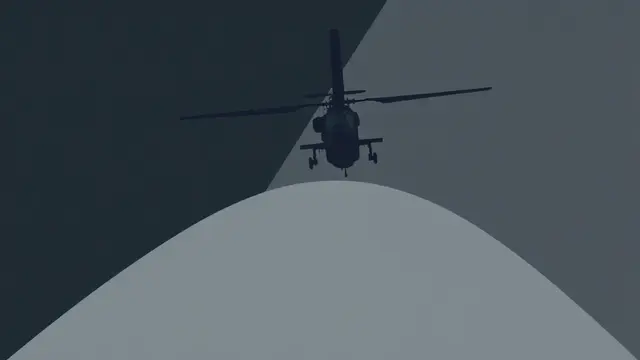
Trump revealed new details about the Iranian drone that struck an Apache helicopter | The drone burned but did not explode, and the pilots managed to ditch in the water (World) AH-64E Apache Guardian of the U.S. Army (Photo: U.S. Navy)
U.S. President Donald Trump revealed new details about the incident in which an American Apache attack helicopter was shot down in the Strait of Hormuz. According to the president, an Iranian drone hit the helicopter and got “stuck” between the two pilots, but, remarkably, it did not explode.
“The drone burned, but it did not explode,” Trump said in an interview with Fox News. “It just got stuck there between the two pilots.”
Despite the severe damage, the two crew members managed to abandon the burning helicopter and make it safely into the water.
Unprecedented robotic rescue
The incident took place Monday night, around 3:30 a.m., when the AH-64 Apache attack helicopter fell into the waters of the Strait of Hormuz off the coast of Oman. The helicopter was part of a patrol force securing shipping lanes and oil tankers as part of the naval blockade on Iran.
“I love it”: Four words from Trump stunned reporters Arie Rosen | 22:01 More attacks on Iran are being prepared | U.S. ambassador: “Sharp” developments in the neighborhood soon B. Nisani | 20:19
The two pilots spent about two critical hours in the water until they were rescued by an unmanned vessel, the Saronic Corsair. This was the first operational rescue in history carried out by an autonomous vessel in the open sea.
The vessel, belonging to U.S. Navy Task Force 59, located the pilots and transferred them to a point where they were picked up by a helicopter from the 82nd Airborne Division.
AH-64 Apache helicopters patrol the Strait of Hormuz (Photo: CENTCOM)
A night of exchanges of blows
After the helicopter was downed, U.S. Central Command forces carried out precise strikes against Iranian air defense systems, ground control stations and radar sites in the Strait of Hormuz area. Iran responded with strikes against American bases in the region.
Iranian Foreign Minister Abbas Araghchi tried to downplay the incident, claiming that U.S. forces are in “constant risk” in the area. “Foreign forces near our territory are at constant risk due to human error, simple accidents, or the potential of being caught in crossfire,” he wrote.
The same event, reported separately by each outlet. Open a few to compare what different newsrooms emphasize — and what they leave out.



Not the same event — other stories that share this one’s people, places, or theme: background, reactions, and follow-ups.


