European Solidarity for Palestine Complex, Activists Face Hardship, Israeli Elections Spark Debate
A recent trip to the Netherlands, Germany, and Belgium by a Palestinian voice from within Israel's 1948 borders highlighted key observations about Palestinian solidarity efforts in Europe and the political landscape concerning Palestinians in Israel. The author participated in a Brussels conference aimed at forming a legal and media alliance to pursue Israeli settlement crimes in the West Bank, an initiative that drew specialists from Palestine and the Arab world.
One significant impression was that European activists, not solely Palestinian diaspora communities, often lead pro-Palestinian demonstrations in Europe. While large demonstrations occur, Palestinian communities within Europe are frequently fragmented. A veteran Palestinian activist noted that in a large Amsterdam protest, the overwhelming majority were Dutch. The author suggested this broad European participation is ideal, but stressed the need for deeper political understanding among these crowds, as their current engagement is often humanitarian rather than political. The absence of a unified Palestinian national body, particularly in light of the "Oslo Authority's" failures, hinders the transformation of solidarity into effective political pressure.
The article also shed light on the considerable personal sacrifices made by Palestinian activists in Europe. These individuals endure financial, physical, and social burdens, including separation from families and disruption of their livelihoods. The author cited the example of media activist Ahmed Frasini, who traveled extensively for meetings and conferences, even while suffering from back pain. This was contrasted with the tendency of some within the Palestinian community to cite personal busyness as an excuse for inaction, despite readily dedicating time to social events.
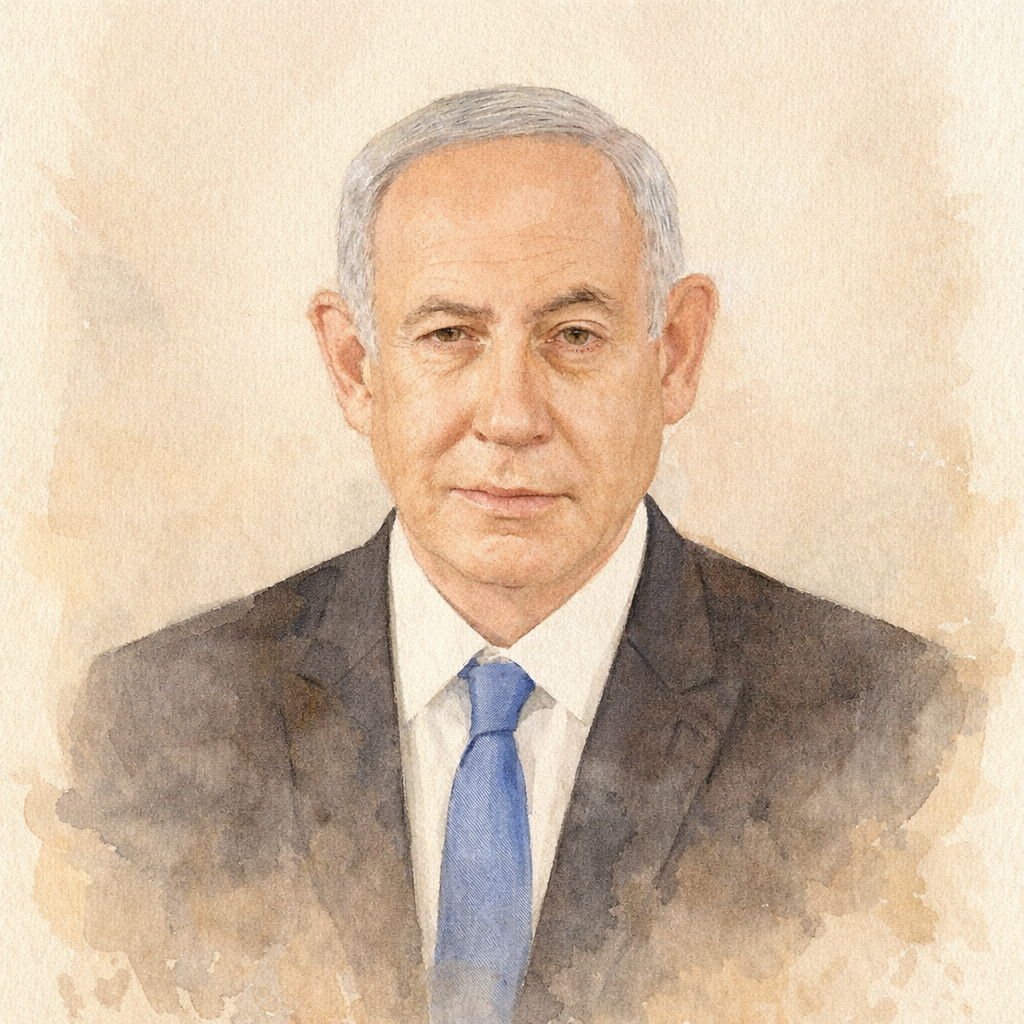
Finally, the author observed a keen interest in Israeli elections and the role of Palestinian citizens of Israel (Palestinians from the '48 territories) during European meetings and visits to the West Bank. There is a widespread desire to see Benjamin Netanyahu's government fall, though some express concern that a successor government might pursue similar policies with more Western acceptance. Some Palestinians in Europe reportedly placed hope in Palestinian citizens of Israel to oust the current government. However, there was also strong condemnation of the Southern Islamic Movement's approach, with questions raised about any Palestinian accepting a role in an "exterminationist" government. The Boycott, Divestment, and Sanctions (BDS) movement, while important in boycotting Israel, does not call for boycotting Palestinian participation in Israeli elections, acknowledging the complexities of their situation. The author concluded that the political reality for Palestinians in Israel fosters both deep political awareness and a confrontational approach, alongside a "dangerous distorted consciousness" of "influencing from within." The disqualification of Arab lists and the candidacy of Sami Abu Shehadeh were presented as part of this complex reality, necessitating new, more effective political strategies beyond simply removing the current far-right government, aiming instead to build a collective force against the entire Zionist project.
Keep up with