
Dollar Surges Against Shekel Amid Rising Israeli Risks
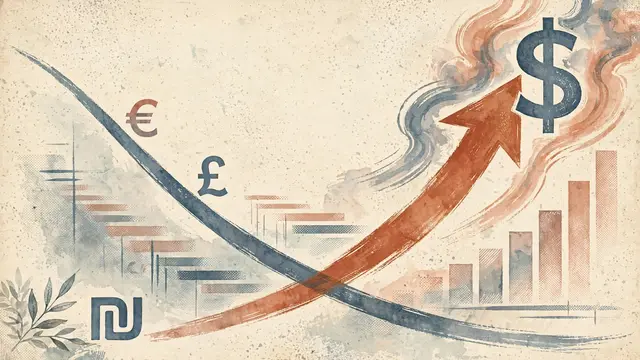
The US dollar has continued its ascent against the Israeli shekel this week, reaching its highest point since July at 3.08 shekels per dollar, according to accountant Majd Karam. Karam stated on Radio al-Shams that this decline in the shekel's value, which he had predicted, is driven by several factors, primarily an increase in Israeli-related risks. The euro has also risen against the shekel, trading above 3.49 shekels, while global currency markets remained relatively calm.
Karam emphasized that the significant rise in the dollar's value was not a global trend but was more pronounced within the Israeli market, attributing it to current tensions. He referenced the US rejection of an Iranian proposal aimed at de-escalating tensions and reopening the Strait of Hormuz, noting that the White House fully rejected Iran's terms, according to a Wall Street Journal report. The report also suggested President Trump anticipates further US strikes on Iran after the November midterm elections.
Markets are pricing in not only the current tensions but also the potential for future escalation, which has already caused oil prices to rise by over 1%. Karam anticipates this will lead to an increase in local fuel prices, potentially between 0.25 and 0.40 shekels per liter, depending on oil prices. He believes the increase could reach the upper end of this range.
Looking ahead, Karam predicts the dollar may continue to strengthen against the shekel in the short term, especially if energy market tensions persist and inflation risks escalate. He sees no clear counter-trend currently and anticipates a potential near-term escalation. The bank's baseline scenario suggests a moderate dollar rise by year-end.
Crucial US economic data, including personal consumption expenditures for the second quarter and the September jobs report, are expected this week. These figures could support continued monetary tightening and high interest rates in the US, further impacting the dollar and regional financial markets. Markets currently estimate a 65% probability of an interest rate hike. Karam concluded that the rejection of the Iranian offer implies continued tension, which could drive oil prices higher, increasing risks for Israel and pressuring the shekel.
The same event, reported separately by each outlet. Open a few to compare what different newsrooms emphasize — and what they leave out.





Not the same event — other stories that share this one’s people, places, or theme: background, reactions, and follow-ups.


Ask About This Article
Duki reads it, and every newsroom on the same story, then answers with sources.