
Police Find Weapon Used in East Jerusalem Murder; Suspect Reenacts Crime
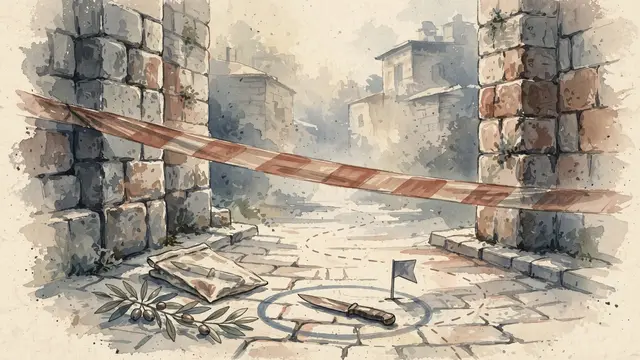
Israeli police have located the suspected murder weapon in the case of 61-year-old Fatma Al-Rajabi, a resident of East Jerusalem. Simultaneously, a suspect in his 60s, also from East Jerusalem, reenacted the crime at the scene where Al-Rajabi's body was discovered. The body has been transferred to the Abu Kabir Forensic Institute for identification and to determine the exact cause of death, with the investigation ongoing.
Investigators suspect a prior acquaintance between the arrested man and the victim. Al-Rajabi's family claims the suspect murdered her after she demanded repayment of a NIS 60,000 debt. According to the family, the suspect, who was reportedly burdened by gambling debts, killed her to eliminate the debt and subsequently hid her body in a cave near his home in the Al-Tur area. A relative added that the suspect also stole Al-Rajabi's gold jewelry, cash, and bank card, from which he withdrew additional funds.
The Jerusalem Magistrate's Court extended the suspect's detention by nine days. Last week, hundreds of volunteers, including many East Jerusalem residents, participated in the search for Al-Rajabi, who was initially reported missing. Large police forces were involved in extensive searches in open areas near Mevaseret Zion, with initial indications pointing to a criminal motive.
The victim's son sharply criticized the police's handling of the case, asserting that significant search efforts began too late. He stated that if the victim had been Jewish, authorities would have acted more swiftly. He felt the police lacked the expected sensitivity and urgency. Commander Shalom Cohen of the Salem station rejected these claims, stating the investigation has been active since the initial report, involving multiple parallel tracks and significant technological resources, emphasizing that the victim's background was irrelevant to the police's efforts.
The same event, reported separately by each outlet. Open a few to compare what different newsrooms emphasize — and what they leave out.


Not the same event — other stories that share this one’s people, places, or theme: background, reactions, and follow-ups.
